
Four actives, one cream. Blemishes, redness, and rough texture.
Adult acne and low-grade rosacea rarely respond to a single ingredient. This compounded cream stacks four actives that address the whole blemish cascade: Salicylic Acid 2% exfoliates inside the pore and clears the plug; Zinc Oxide 5% calms inflammation and provides mild UV protection; Niacinamide 8% reduces redness, strengthens the skin barrier, and reduces sebum; Urea 2% lightly exfoliates the surface and pulls water into the skin — offsetting the dryness the other actives can cause.
Best for adults with persistent breakouts, background redness or flushing, mild rosacea, oily-and-sensitive combination skin, or the kind of “always-there” texture that doesn’t respond to over-the-counter routines. Not intended for severe cystic acne — that needs oral therapy plus a dermatologist.
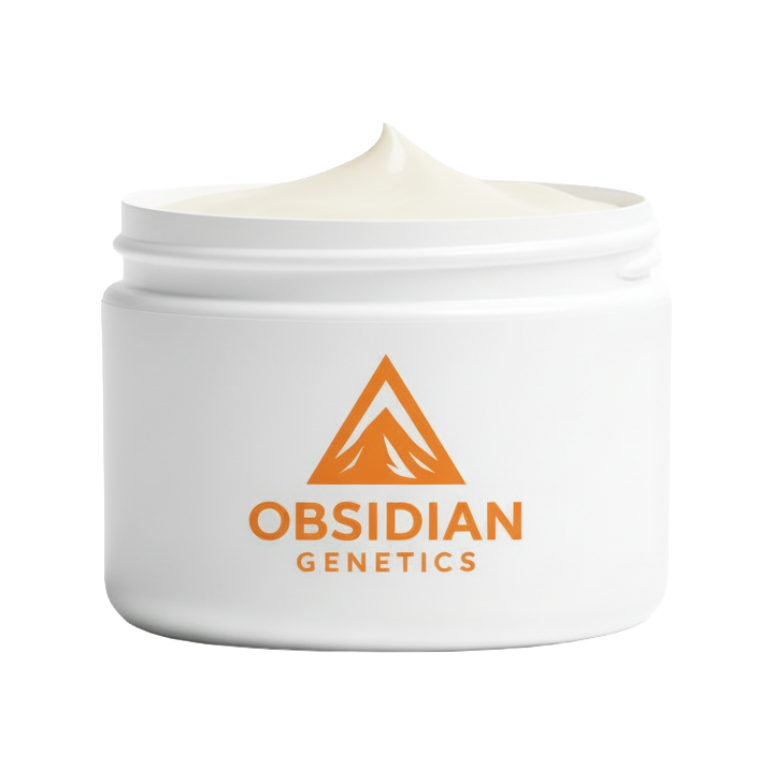
Acne + Redness Cream
Each active is backed by clinical data.
Salicylic acid and niacinamide have decades of dermatology use. Zinc modulates inflammation. Urea has been used in skin care since the 1940s.
Salicylic acid for acne: FDA OTC monograph and decades of dermatology literature. 4% nicotinamide (niacinamide) gel vs 1% clindamycin gel for inflammatory acne: Shalita AR et al., Int J Dermatol 1995;34(6):434-437; PMID 7657446 — n=76 double-blind RCT; 4% nicotinamide gel showed comparable efficacy to 1% clindamycin gel over 8 weeks (82% vs 68% improved on Physician’s Global Evaluation). Niacinamide anti-aging effects on skin (wrinkles, pigmentation, elasticity): Bissett DL, Oblong JE, Berge CA, Dermatol Surg 2005;31(7 Pt 2):860-865; PMID 16029679. Zinc has established efficacy in acne treatment via anti-inflammatory action (multiple studies).
This is a compounded four-active preparation prescribed off-label by a licensed provider. Not FDA-approved as a finished combination product. Individual results vary.
Each ingredient targets a different part of the blemish cascade.
Salicylic Acid 2% — BHA Exfoliant
Oil-soluble beta-hydroxy acid. Penetrates into the pore, dissolves the keratin plug that traps sebum and bacteria, and clears comedones (blackheads and whiteheads). The workhorse for adult acne.
Zinc Oxide 5% — Anti-Inflammatory
Zinc modulates inflammatory cytokines and provides mild UV protection. Reduces the redness and swelling of active blemishes. Especially useful in mixed acne + rosacea presentations.
Niacinamide 8% — Barrier + Sebum + Redness
Vitamin B3 form used in dermatology. At 8% (upper studied range) it reduces sebum production, strengthens the skin barrier via ceramide synthesis, and calms diffuse redness. Non-irritating even at this concentration.
Urea 2% — Humectant + Mild Keratolytic
At 2%, urea binds water in the skin and lightly loosens the outermost keratin layer. Balances the potential dryness from salicylic acid and niacinamide, keeping the cream comfortable for daily use.
What to know before starting.
Best for: adult blemishes, background redness, mild-to-moderate rosacea features, oily-and-sensitive combination skin, and stubborn texture. Not designed for severe cystic acne — patients with widespread cystic breakouts should see a dermatologist for oral therapy.
Pregnancy: Salicylic acid at 2% topical concentration is generally considered acceptable during pregnancy, but discuss with your OB or prescribing provider before starting. Higher-concentration salicylic acid products are not recommended during pregnancy.
Sun sensitivity: Salicylic acid can increase photosensitivity. Daily SPF 30+ is required during use — especially since blemishes and post-inflammatory pigmentation are worsened by sun exposure.
Aspirin allergy: Salicylic acid is structurally related to aspirin. If you have a known aspirin allergy or salicylate sensitivity, disclose this during intake — this product may not be appropriate.
Application: Apply 1 gram once daily in the evening after cleansing. Start every other night for the first two weeks to build tolerance, then move to nightly. Don’t layer with other BHAs, high-strength retinoids, or benzoyl peroxide without provider guidance.
Onset: Reduced new breakouts typically appear in weeks 2–4. Sustained clearing takes 6–12 weeks. Redness improvements can be visible sooner (weeks 2–3).
Frequently asked question
Is this for teenage acne or adult acne?
Adult acne. Teenage acne is often more inflammatory and cystic, and typically responds better to prescription retinoids (like tretinoin) or oral therapy. This four-active cream is designed for adults who have persistent low-grade breakouts, background redness, and the “always-there” texture that doesn’t respond to OTC products. If you have severe cystic acne, see a dermatologist for oral therapy.
Can I use this with tretinoin?
Not simultaneously in the same application, and not without provider guidance. Both salicylic acid and tretinoin are exfoliating — stacking them can irritate the skin barrier and cause peeling or dryness. Some patients alternate nights (tretinoin one night, this cream the next) once they’ve established tolerance to both. Discuss with your provider during intake.
Does this treat rosacea?
It addresses several rosacea features — the niacinamide 8% and zinc oxide 5% both reduce redness and inflammation — but rosacea is a specific medical condition that may need targeted therapy (metronidazole, ivermectin, brimonidine). If you have a rosacea diagnosis or severe persistent flushing, disclose this during intake so your provider can recommend the right approach.
Will this dry out my skin?
The 2% urea is specifically included to counterbalance the potential dryness from salicylic acid and niacinamide. Most patients tolerate the formula well without needing a separate moisturizer. If your skin is naturally very dry, start every-other-night and apply a plain moisturizer 10 minutes after. If persistent dryness develops, contact your provider — dosing frequency can be reduced.
Can I use this on my body (back, chest)?
Yes, it’s appropriate for facial skin as well as body areas prone to breakouts (chest, back, shoulders). The 30g monthly supply is designed for a targeted facial routine; if you have extensive body involvement, discuss with your provider — you may need larger volume or additional therapy.
How is this different from OTC acne creams?
Most OTC acne creams contain a single active — usually salicylic acid or benzoyl peroxide. This cream combines four actives in one prescription-strength compounded formula, addressing blemishes, redness, sebum, barrier repair, and dryness simultaneously. Prescription compounded preparations aren’t sold at drugstores — they’re made per prescription by a licensed compounding pharmacy following provider review.
Compounded Medication Notice: Salicylic Acid 2% / Zinc Oxide 5% / Niacinamide 8% / Urea 2% cream is a compounded preparation prepared by a licensed compounding pharmacy. It is not FDA-approved as a finished combination drug product. The individual actives are FDA-approved OTC or GRAS for various indications; the compounded combination is prescribed off-label following clinical review. Contraindications: Aspirin allergy or salicylate sensitivity — disclose during intake. Pregnancy: Discuss with your prescribing provider before use. Sun sensitivity: Daily SPF 30+ required during use. Severe acne: This product is not intended for severe cystic acne — patients with widespread cystic disease should see a dermatologist. Application: Apply 1 gram once daily. Discontinue if irritation, allergic reaction, or worsening symptoms occur. Not medical advice: Content on this page is informational only. Individual results vary. All Obsidian Genetics prescriptions are issued following clinical review by a licensed provider. © 2026 Obsidian Genetics. All rights reserved.