
NAD+ injection. The molecule every cell in your body runs on — and loses with age.
Nicotinamide adenine dinucleotide (NAD+) is a coenzyme present in every one of your body’s cells. It powers energy production, activates the proteins that repair DNA, and regulates the enzymes most closely linked to how fast you age. Without it, nothing works. With declining levels, everything slows down.
After 40, NAD+ levels fall sharply — cutting your cellular fuel supply roughly in half by the time you reach 50. The effects accumulate: slower recovery, persistent fatigue, brain fog, metabolic sluggishness. These are not just symptoms of getting older. They are symptoms of running low on NAD+.
Injectable NAD+ delivers the molecule directly into your bloodstream — bypassing the digestive system entirely for immediate systemic availability.
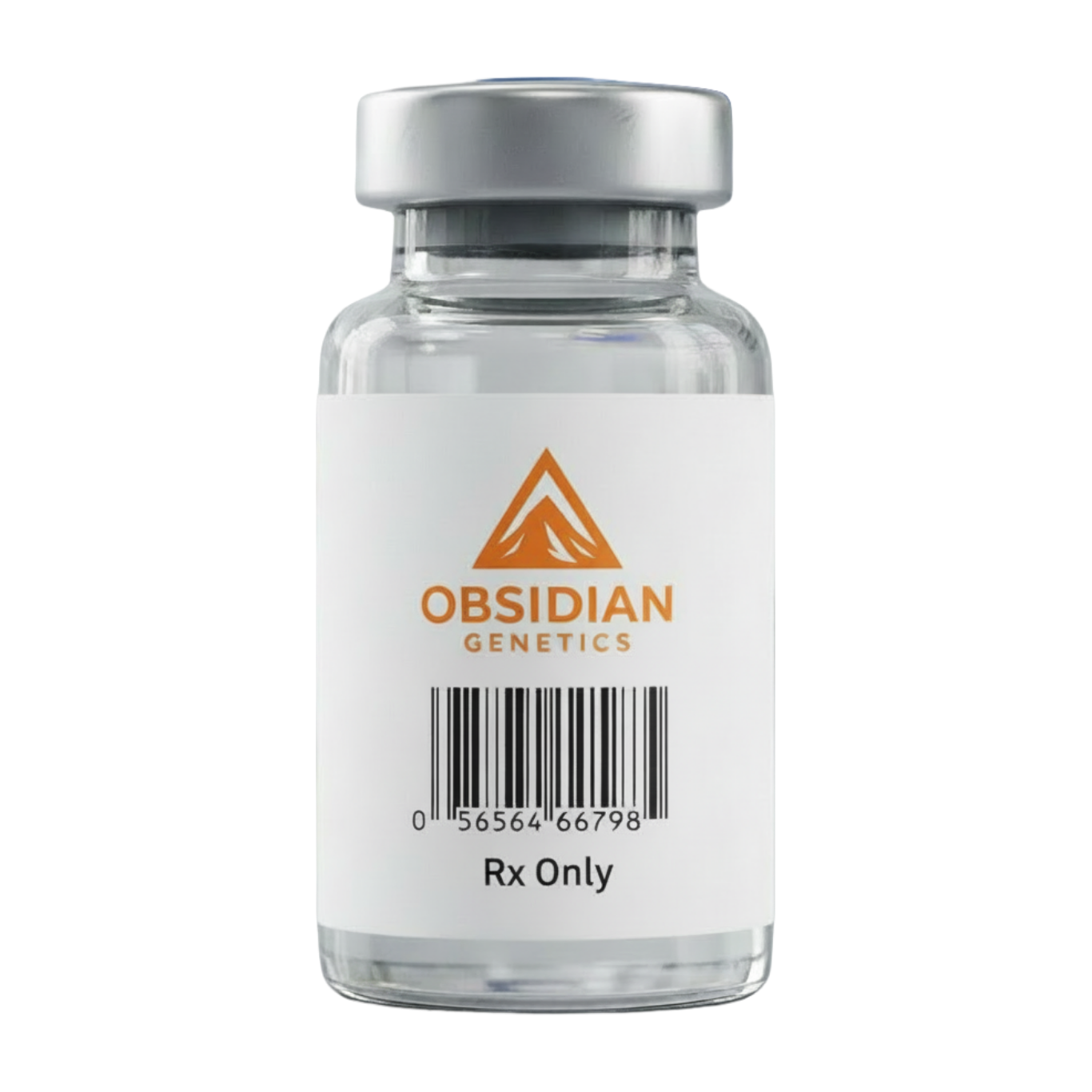
NAD+ Injection
What happens to NAD+ as you age.
The numbers explain why energy, recovery, and cognitive sharpness all trend in the same direction after 40 — and why restoring NAD+ matters.
Individual results vary. Data reflects established biology of NAD+ metabolism and aging. Injectable NAD+ is a compounded preparation used off-label for longevity and wellness. Results are not guaranteed.
What NAD+ injection is used for.

Not all NAD+ gets where it needs to go.
NAD+ Injection
NAD+ Nasal Spray
Oral Supplements
Three ways NAD+ keeps your cells running.

NAD+ is a critical component of the electron transport chain — the process inside your mitochondria that converts nutrients into ATP, your cells' usable energy currency. When NAD+ levels fall, mitochondrial efficiency drops. The result is the kind of fatigue that sleep doesn't fix. Restoring NAD+ gives your mitochondria the raw material they need to produce energy at full capacity.

Sirtuins (SIRT1–7) are a family of proteins often called "longevity enzymes." They regulate inflammation, stress response, metabolism, and cellular aging. Every one of them requires NAD+ as a substrate to function. As NAD+ declines with age, sirtuin activity falls in parallel — contributing directly to accelerated aging at the cellular level. Injectable NAD+ restores the substrate sirtuins need to stay active.

Your cells accumulate DNA damage continuously — from UV exposure, oxidative stress, metabolic byproducts, and normal replication errors. PARP enzymes (poly-ADP-ribose polymerases) are your primary DNA repair mechanism. They consume NAD+ as a fuel source for every repair cycle. As you age, increased DNA damage triggers more PARP activity, draining NAD+ faster — creating a vicious cycle. Replenishing NAD+ keeps the repair system funded.
Safety and considerations.
NAD+ injection is well-tolerated by most patients. Your provider will guide dosing and frequency based on your health history and goals.
Common Side Effects
Mild soreness or redness at the injection site is the most commonly reported effect and typically resolves within minutes. Some patients experience a warm flushing sensation during or shortly after administration. Mild headache or lightheadedness may occur, particularly at higher doses. These effects are generally transient and subside as the body adjusts.
First-Dose Response
Some patients experience mild nausea, fatigue, or sleep disturbance in the first one to two doses as the body adapts to elevated NAD+ levels. Occasional feelings of overstimulation or anxiety have been reported, particularly at higher doses — these are dose-dependent and typically resolve with adjustment. Starting at a lower dose and titrating up reduces these occurrences significantly.
Injection Protocol
Subcutaneous injection with a small-gauge needle delivers NAD+ into the fat layer just under the skin. Most patients inject into the abdomen or thigh. Your provider will prescribe the appropriate dose and frequency for your protocol, typically 2 to 5 injections per week depending on goals and response. Injection technique is straightforward and becomes routine within the first few days.
⚠ Important Notes
NAD+ injection is generally considered safe for healthy adults, but is not recommended for patients with active malignancy, as NAD+ supports cellular proliferation pathways. Patients with a history of cancer should discuss this with their oncologist before starting therapy. NAD+ should be used with caution in patients with hypotension, as flushing and blood pressure changes have been reported at high doses. All protocols are supervised by board-certified Obsidian Genetics physicians, and dosing is personalized based on your intake consultation and ongoing response.
Frequently asked question
Why inject NAD+ instead of taking it orally?
Oral NAD+ supplements (NMN, NR) must survive the digestive process, be absorbed through the gut wall, and then be converted into NAD+ inside your cells. Bioavailability varies and some portion is lost at each step. Injectable NAD+ bypasses all of that — it enters your bloodstream directly and is available to your cells immediately. For patients seeking meaningful systemic replenishment, injection is the most reliable delivery method available outside of intravenous infusion.
What is the difference between NAD+ injection and the nasal spray?
Both the injection and the nasal spray bypass the digestive system, which gives them a bioavailability advantage over oral supplements. The injection delivers NAD+ subcutaneously for systemic distribution — making it the preferred option for full-body cellular replenishment. The nasal spray absorbs through the nasal mucosa and has strong uptake, with some evidence suggesting particularly efficient delivery to brain tissue via the olfactory pathway. Many patients use both: injection for systemic benefit, spray for cognitive and daily convenience.
How quickly will I notice results?
Many patients report noticing improved energy and mental clarity within the first few days of starting NAD+ injection therapy. Sleep quality and recovery often improve within the first one to two weeks. More sustained benefits — metabolic changes, cognitive performance, physical resilience — develop over weeks to months of consistent use. NAD+ is not a one-time fix. It works by restoring a substrate your cells use continuously, so the benefits build and compound with ongoing therapy.
How often do I inject?
Your Obsidian Genetics provider will prescribe a protocol based on your goals and health history. Most patients start with 2 to 3 injections per week and adjust based on response. Some patients doing intensive protocols inject daily or 5 days per week. Unlike daily medications, NAD+ injection schedules are flexible and can be adjusted as your body responds and your goals evolve.
Does NAD+ interact with other medications or supplements?
NAD+ is a naturally occurring molecule and has a low risk of significant drug interactions. However, because it activates sirtuin and PARP pathways involved in cellular regulation, patients on immunosuppressants, chemotherapy, or other medications affecting cell proliferation should consult their physician before starting therapy. Disclose all current medications and supplements during your intake consultation so your provider can assess any potential interactions.
Prescription Required. NAD+ injection is a prescription preparation. A valid prescription from a licensed healthcare provider is required before any medication is dispensed. Obsidian Genetics facilitates access to board-certified physicians who independently determine whether treatment is appropriate for each patient. We do not guarantee that a prescription will be issued.
Compounded Preparation Notice. NAD+ injectable dispensed by Obsidian Genetics is a compounded preparation produced by a licensed compounding pharmacy. Compounded medications are not FDA-approved and have not undergone FDA review for safety, efficacy, or manufacturing quality. Compounded NAD+ is prepared for individual patient use based on a valid prescription.
Off-Label Use. Injectable NAD+ is used off-label for adult wellness, longevity, and metabolic health purposes. Its use is based on published research into NAD+ biology and physician clinical judgment, not an FDA-approved indication for these uses.
Results Disclaimer. Individual results vary. Clinical outcomes referenced on this page represent findings from peer-reviewed research on NAD+ biology and may not reflect results for every patient. Benefits are not guaranteed.
Not Medical Advice. The information on this page is for educational purposes only and does not constitute medical advice. Consult your provider with any questions about your health or treatment plan.