
B12 Injection. The vitamin your gut was never absorbing properly in the first place.
Vitamin B12 is the nutrient at the center of energy metabolism, red blood cell production, and nervous system function. It is essential. It is also one of the most commonly depleted vitamins in adults, and one of the least reliably absorbed through diet or standard supplements.
The problem is not usually intake. It is absorption. Getting B12 from food or a pill requires a gut protein called intrinsic factor. As you age, as stress accumulates, as digestive conditions develop, and especially if you take metformin, intrinsic factor production declines. The B12 that reaches your bloodstream becomes a fraction of what you consumed.
Intramuscular injection delivers methylcobalamin — the active, bioavailable form of B12 — directly into your system. No intrinsic factor required. No digestive losses. Immediate uptake.
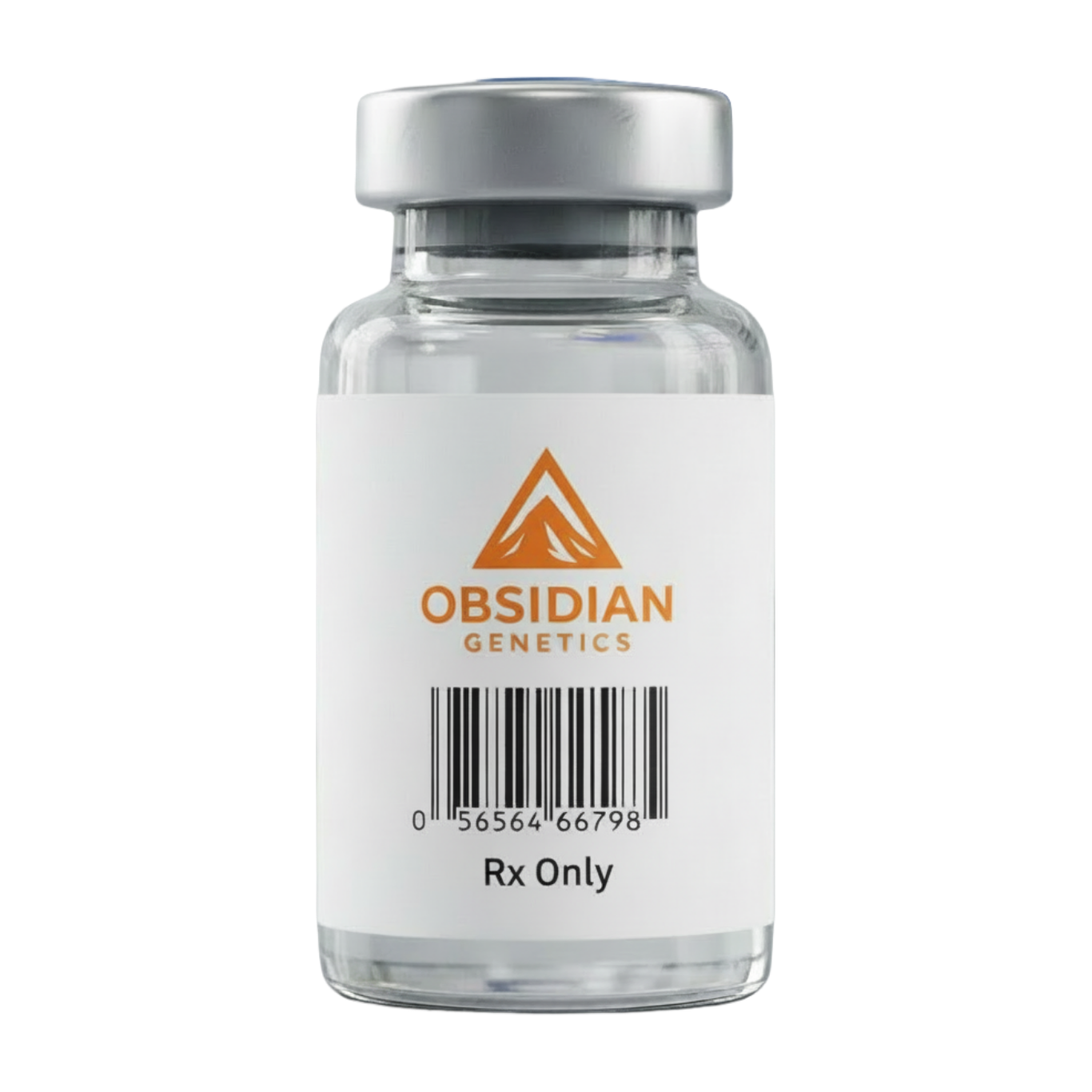
B12 Injection
B12 deficiency is more common than most people realize — and harder to fix than most people think.
These are the numbers that explain why injection is a different class of treatment than a daily supplement.
Individual results vary. Low/marginal B12 prevalence varies by population, dietary habits, and diagnostic threshold applied. Absorption data reflects average passive absorption in individuals with impaired intrinsic factor production. Results are not guaranteed. Prescription required.
If any of these apply to you, your B12 is probably lower than you think.
Plant-Based or Low-Meat Diet
B12 is found almost exclusively in animal products. Vegetarians and vegans are at the highest dietary risk. Even with supplementation, absorption limitations often leave levels below optimal.
Metformin Use
Metformin — the most prescribed diabetes and longevity medication in the world — is well-documented to reduce B12 absorption. Long-term users should monitor and maintain B12 levels closely.
Over 50
Gastric acid production declines with age, which impairs the release of B12 from food. Intrinsic factor production also declines. The result is reduced absorption even from a B12-rich diet.
Digestive Conditions
IBS, Crohn's disease, celiac disease, GERD, and post-surgical GI changes all compromise the gut's ability to absorb B12. If your gut is compromised, supplementation through the GI tract will underdeliver.
Chronic Fatigue or Brain Fog
Fatigue and cognitive sluggishness are among the earliest and most common signs of suboptimal B12. Because these symptoms have many causes, B12 insufficiency is routinely missed or dismissed.
Neurological Symptoms
Numbness, tingling, or weakness in the extremities can be early signs of B12-related nerve damage. The nervous system is highly dependent on B12 for myelin production and nerve signal conduction.
Prescribed For

B12 Injection vs. Oral Supplement.
The problem with B12 supplementation is rarely the dose. It is whether the B12 actually makes it into your bloodstream.
B12 Injection
Intramuscular • Methylcobalamin
Oral B12 Supplement
Pill / Sublingual • Variable form
What B12 actually does inside your cells.
Cellular Energy Production
Methylcobalamin is a required cofactor in the methylmalonyl-CoA pathway — one of the core metabolic routes your mitochondria use to generate ATP from fat and protein. Without adequate B12, this pathway stalls. The result is the kind of fatigue that no amount of sleep seems to fix and that no stimulant actually resolves.
Red Blood Cell Maturation
B12 is required for DNA synthesis in red blood cell precursors. Without it, cells cannot divide and mature properly, producing oversized, dysfunctional RBCs — a condition called megaloblastic anemia. The consequence is reduced oxygen-carrying capacity throughout the body, contributing to fatigue, shortness of breath, and impaired physical performance.
Myelin Synthesis and Nerve Protection
B12 is essential for the synthesis of myelin — the protective sheath that wraps nerve fibers and enables fast, precise electrical signaling. Chronic B12 insufficiency causes progressive myelin degradation, leading to the neurological symptoms of B12 deficiency: tingling, weakness, cognitive decline, and in severe cases, irreversible nerve damage. Repletion halts and often reverses early damage.
Safety and what to expect.
B12 injection has one of the best safety profiles of any injectable. Here is what most patients experience.
⚠ Excellent Safety Profile
Vitamin B12 is water-soluble. Unlike fat-soluble vitamins, excess B12 is not stored to toxic levels — it is excreted by the kidneys. This makes B12 injection exceptionally safe even at high therapeutic doses. Serious adverse effects are rare and typically associated with allergy to the injection carrier, not the B12 itself.
Common Reactions — Mild, transient soreness at the injection site is the most commonly reported effect and resolves quickly. A small number of patients experience brief flushing, mild itching, or a sensation of warmth after injection. These are typically self-limiting and do not require intervention.
Prescribed and monitored by your care team. All Obsidian Genetics prescriptions follow a licensed provider intake review. Your provider evaluates your health history and current medications before prescribing. B12 injection protocols are personalized — dosing and frequency are adjusted based on your labs and response over time.
Pricing
B12 Injection Protocol Pricing
One flat rate. Physician supervision, compounded medication, and ongoing support included.
Billed monthly. Cancel anytime.
All plans include: physician consultation · compounded medication · ongoing provider support · free shipping
Frequently asked question
I've taken B12 supplements before and didn't feel a difference. Why would injection be different?
The most common reason B12 supplements underdeliver is absorption, not dose. Oral B12 relies on intrinsic factor — a gut protein — to be actively absorbed. Intrinsic factor production declines with age, digestive conditions, and metformin use. Without it, passive absorption is only 1–3% of what you consume. Injectable B12 bypasses the GI tract entirely, delivering the molecule directly into your bloodstream regardless of your gut health.
What is methylcobalamin and why does it matter?
Methylcobalamin is the active, biologically usable form of B12. Most over-the-counter supplements contain cyanocobalamin — a synthetic form that the body must convert to methylcobalamin before it can be used. That conversion step adds another layer of variability and is impaired in some individuals. Methylcobalamin delivered by injection is immediately available to cells with no conversion required.
How quickly will I notice results?
Energy and mental clarity improvements are often among the first things patients notice — sometimes within the first few days of beginning treatment. Red blood cell normalization takes longer, typically several weeks. Neurological improvements from B12 deficiency may take months of consistent treatment, particularly if nerve symptoms have been present for some time.
Is B12 injection safe?
Yes — B12 injection has one of the best safety profiles of any injectable treatment. B12 is water-soluble, meaning any excess is excreted by the kidneys rather than accumulating to toxic levels. Serious adverse effects are uncommon. The most frequently reported reaction is mild, temporary soreness at the injection site.
I take metformin. Should I be concerned about B12?
Yes — metformin is well-documented to reduce B12 absorption by impairing the calcium-dependent uptake mechanism in the gut. Long-term metformin users have a meaningfully higher rate of B12 insufficiency. If you are on metformin — whether for diabetes management or longevity protocols — routine B12 monitoring and supplementation by injection are strongly advisable.
How is the injection administered?
B12 is delivered as an intramuscular injection. Your Obsidian Genetics care team provides clear instructions and supplies for self-administration at home. Most patients find the process straightforward after the first use. Injection frequency — weekly, biweekly, or monthly — is set by your provider based on your labs and protocol goals.
Prescription Medication Notice: B12 Injection (methylcobalamin) is a prescription product prepared by a licensed compounding pharmacy. It is prescribed by a licensed provider following a clinical review. It is not an over-the-counter supplement. This product is intended for individuals with confirmed or suspected B12 insufficiency and for wellness protocols where B12 repletion has been clinically indicated. Results are not guaranteed and individual outcomes vary.
Not Medical Advice: The content on this page is for informational purposes only and does not constitute medical advice, diagnosis, or treatment. Consult a qualified healthcare provider before starting any new treatment. All Obsidian Genetics prescriptions are issued following a clinical review by a licensed provider.
Citations & Evidence: Low/marginal B12 prevalence (~40%): NHANES-based epidemiological data; PMC11066312; PMC4953733, Clinical Medicine (2016). Homocysteine reduction (~4.2 μmol/L): Sohouli et al., Nutrition Reviews (2024); PubMed 37495210; 21 randomized controlled trials, 1,625 participants. Passive oral absorption (1–3%): NIH Office of Dietary Supplements, Vitamin B12 Fact Sheet. Methylcobalamin mechanisms: standard medical biochemistry references.
Obsidian Genetics is a telehealth platform connecting patients with licensed providers. ©2024 Obsidian Genetics. All rights reserved.