
Quit smoking. Your brain just needs the right support.
Quitting smoking is not a willpower problem. Nicotine physically rewires the brain’s reward circuitry, elevating dopamine and creating a dependency that willpower alone cannot override. After weeks of quitting attempts, the withdrawal symptoms, cravings, and irritability force most smokers back to cigarettes. The neurobiology is real. The problem demands a neurobiological solution.
Bupropion works by directly targeting the neural pathways nicotine hijacks. It raises dopamine and norepinephrine levels in the reward centers, reducing the intensity of cravings and the physical withdrawal symptoms that make quitting so difficult. The result: a realistic chance to break the cycle.
Prescribed under the brand name Zyban, bupropion is FDA-approved specifically for smoking cessation. It is taken for 7 to 12 weeks surrounding your quit date, with the goal of sustained freedom from smoking.
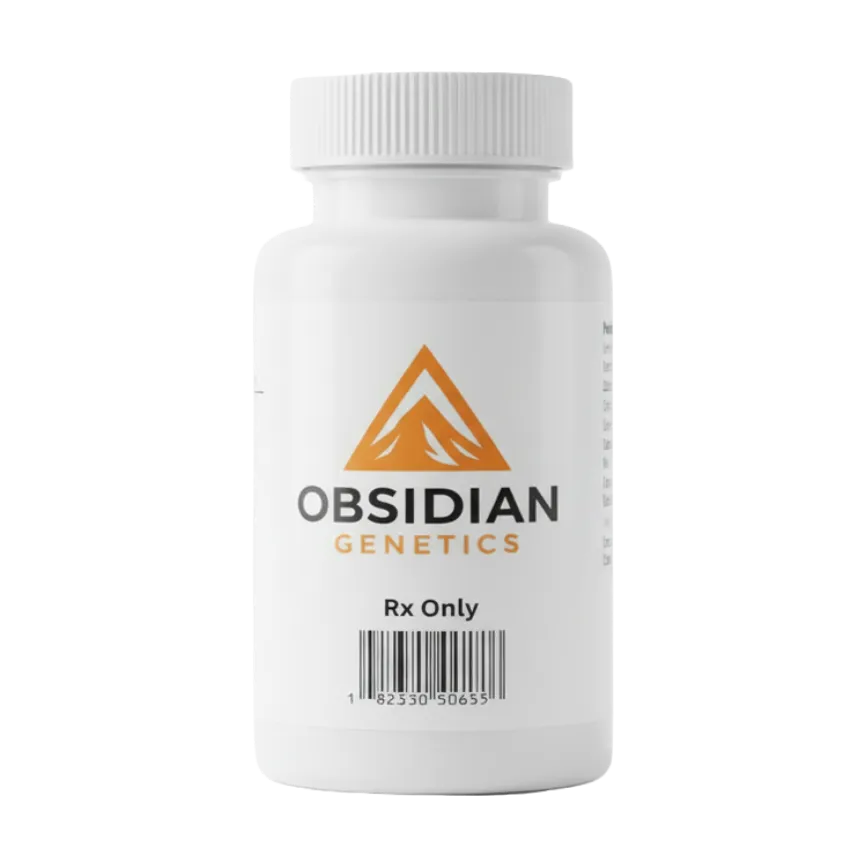
Smoking Cessation Rx (Bupropion)
Why pharmacological support changes the outcome.
Smoking cessation without treatment has dismal long-term success rates. These numbers show why bupropion makes such a measurable difference.
Bupropion SR 150mg is FDA-approved for smoking cessation under brand name Zyban. Individual quit success rates vary based on dosing consistency, behavioral support, and patient factors. Results are not guaranteed.
Three mechanisms that target nicotine addiction at the brain level.
Bupropion's therapeutic effect rests on three distinct pharmacological mechanisms that address the neurobiology of tobacco dependence.
Dopamine and Norepinephrine Reuptake Inhibition
Bupropion blocks the reabsorption of dopamine and norepinephrine at the synapse, raising their concentrations in reward and motivation circuits. Nicotine produces its addictive effect by triggering dopamine release. By maintaining higher baseline dopamine levels, bupropion counteracts the withdrawal-related dopamine deficit that drives cravings.
Nicotinic Receptor Antagonism
Bupropion partially antagonizes nicotinic acetylcholine receptors, the same receptors nicotine binds to in the brain. This dual action means that even if you slip and smoke a cigarette, the rewarding effect is blunted; nicotine cannot produce its normal dopamine surge because the receptors are partially blocked by bupropion.
Withdrawal Symptom Relief
The irritability, restlessness, difficulty concentrating, and dysphoria that characterize nicotine withdrawal stem from acute dopamine and norepinephrine depletion. By raising these neurotransmitters, bupropion reduces the intensity and duration of withdrawal symptoms, making the critical first weeks of quitting physiologically tolerable.
Bupropion is FDA-approved for smoking cessation.
How to use bupropion for maximum success.
Bupropion is most effective when taken within a structured protocol that spans several weeks. Here is how the treatment unfolds.
Pre-Quit Phase (Week 1)
Start bupropion approximately one week before your target quit date. Your provider will prescribe a typical starting dose of 150mg once daily for the first three days, then increase to 150mg twice daily (total 300mg daily). You continue smoking during this phase. The medication is building up in your bloodstream and beginning to normalize dopamine and norepinephrine levels.
Quit and Acute Withdrawal (Weeks 2-6)
On your predetermined quit date, you stop smoking completely while continuing bupropion at the prescribed dose. The first 2-6 weeks are the most difficult; withdrawal peaks around day 3-5. Bupropion reduces craving intensity and withdrawal severity during this critical window. Many patients report that the medication makes this period physiologically tolerable in a way that prior quit attempts were not.
Maintenance and Consolidation (Months 2-3+)
Continue bupropion as prescribed. By week 6, the worst of withdrawal has passed. Remaining cravings are typically situational rather than constant. Bupropion continues to provide relapse protection. Treatment is usually continued for 7 to 12 weeks total, though some patients benefit from extended use up to 6 months to solidify smoke-free status.
Combine with behavioral support for best results.
Bupropion is most effective when paired with behavioral counseling, group support programs, or habit replacement strategies. Your Obsidian Genetics provider can recommend evidence-based behavioral resources. The medication handles the neurochemistry; behavioral support handles the learned patterns and environmental triggers.
What to expect over the course of treatment.
Bupropion works best when you understand the timeline and what each phase feels like.
Week 1 (Pre-Quit)
Start bupropion. Still smoking. You may experience mild side effects like dry mouth, insomnia, or slight anxiety as the medication begins to affect dopamine and norepinephrine. These typically resolve within a few days. Medication is building in your system.
Week 2 (Quit Date)
Stop smoking on your predetermined quit date. Bupropion is now working to reduce withdrawal. You will likely experience cravings, irritability, and difficulty concentrating; this is normal and expected. The cravings are present but less overwhelming than in unaided quit attempts. Stay with it.
Weeks 3-6 (Acute Withdrawal)
The most difficult phase. Withdrawal intensity peaks and then gradually declines. Most patients find that cravings become periodic rather than constant by week 4-5. Bupropion significantly reduces the urge to smoke compared to placebo. Sleep may improve; irritability begins to ease.
Months 2-3+ (Consolidation)
Nicotine dependence is fading. Remaining cravings are triggered by specific situations, not withdrawal. Many patients report freedom from constant cravings and dramatically reduced urge to smoke. Bupropion continues to provide relapse protection. Long-term abstinence becomes the new normal.
Safety, side effects, and contraindications.
Bupropion is safe and well-tolerated for most patients. Certain conditions require careful screening.
Common Side Effects
Most frequently reported: dry mouth, insomnia or sleep disruption, headache, nausea, dizziness, and constipation. These typically appear in the first 1-2 weeks and often resolve with continued use. Doses in the afternoon or early evening can help with insomnia. Staying hydrated helps with dry mouth.
Seizure Risk
Bupropion lowers the seizure threshold in a dose-dependent manner. This is the most important safety consideration. It is contraindicated in patients with a history of seizure disorder, eating disorders such as anorexia or bulimia, or those experiencing abrupt alcohol or benzodiazepine withdrawal. Your provider will screen for these conditions during intake.
Neuropsychiatric Monitoring
Like all antidepressant medications, bupropion carries an FDA black box warning for serious mood-related risks, particularly in patients under 25. Your provider monitors for mood changes, especially in the first weeks of treatment. If you experience mood worsening or unusual changes, contact your provider immediately.
Absolute contraindications and important interactions
Bupropion is contraindicated in patients with seizure disorder, current or prior eating disorders, or those stopping alcohol or benzodiazepines. It should not be combined with MAOIs. Alcohol use should be avoided or minimized, as it lowers seizure threshold further. If you have a personal or family history of bipolar disorder, discuss this with your provider before starting. All prescriptions are issued following a thorough clinical intake by a licensed provider.
Frequently asked question
When exactly do I start bupropion relative to my quit date?
Start bupropion approximately one week before your target quit date. Your provider will prescribe a dose escalation: typically 150mg once daily for the first 3 days, then increase to 150mg twice daily (300mg total daily). This pre-quit window allows the medication to reach therapeutic levels in your bloodstream before you stop smoking. On your predetermined quit date, you stop smoking while continuing the medication.
Do I need to use nicotine gum, patches, or lozenges while taking bupropion?
Bupropion alone is effective for many patients. Some patients benefit from short-term nicotine replacement (patch, gum, or lozenge) during the acute withdrawal phase, especially if cravings remain intense. Your Obsidian Genetics provider will assess whether combination therapy is appropriate for you. The general approach is to use bupropion as the primary pharmacological tool, with nicotine replacement as a secondary aid if needed.
How is bupropion different from varenicline (Chantix)?
Both are FDA-approved for smoking cessation and work through different mechanisms. Varenicline is a partial agonist at nicotinic acetylcholine receptors, meaning it activates the receptor partially while also blocking nicotine from binding. Bupropion raises dopamine and norepinephrine while also antagonizing nicotinic receptors. Clinical trials show both are roughly equivalent in efficacy; the choice depends on patient factors, side effect profile, and provider preference. Some patients tolerate one better than the other.
Can I take bupropion if I have a history of depression?
Yes, but with careful screening. Bupropion is actually approved as an antidepressant. If you have active depression, your provider needs to know and may monitor you more closely. If you have a history of depression that has resolved, bupropion is generally appropriate. However, if you have a history of bipolar disorder, bupropion requires special consideration because it can trigger manic episodes in some patients. Your provider will assess this during intake.
What if I slip and smoke a cigarette while on bupropion?
A single slip does not mean failure. One of bupropion’s advantages is that it reduces the reinforcing effect of nicotine. If you slip and smoke, you will likely find it less satisfying than you remember because the nicotinic receptors are partially blocked by bupropion. One cigarette does not trigger relapse the way it might in unaided attempts. Stay on your medication and refocus on your quit plan. If you find yourself having multiple slips, contact your care team to adjust your strategy.
How long do I need to take bupropion?
The standard course is 7 to 12 weeks of continuous treatment, with most patients completing 12 weeks. Some patients benefit from extended use of up to 6 months to solidify smoke-free status and prevent relapse. Your Obsidian Genetics provider will work with you to determine the optimal duration based on how you respond and your personal relapse risk.
How soon after starting will I notice a reduction in cravings?
Timeline varies by individual. Most patients report noticeable reduction in craving intensity by 1-2 weeks after starting bupropion. The effect becomes more pronounced as the medication builds to steady state (approximately 5-8 days). Some patients notice an immediate difference on their quit date; others experience a more gradual improvement over the first month. With consistent use, the vast majority of patients report substantially reduced urge to smoke by 6 weeks.
FDA Approval Status: Bupropion SR 150mg extended-release is FDA-approved for smoking cessation under the brand name Zyban. This is a standard generic medication manufactured to FDA standards. Obsidian Genetics prescribes the established, proven formulation approved for this indication. This is not an off-label use or compounded preparation.
Black Box Warning: Bupropion carries an FDA black box warning for serious mood-related risks, particularly in patients under 25. Your provider will screen for neuropsychiatric risk during your intake and monitor you throughout treatment. If you experience mood worsening or unusual behavioral changes, contact your provider or emergency services immediately.
Not Medical Advice: The content on this page is for informational purposes only and does not constitute medical advice, diagnosis, or treatment. Consult a qualified healthcare provider before starting any new treatment. All Obsidian Genetics prescriptions are issued following a clinical review by a licensed provider.
Citations & Evidence: Cardiovascular risk from smoking: CDC, WHO epidemiological data. Bupropion efficacy: Hurt RD et al., N Engl J Med. 1997;337(17):1195-1202. This landmark randomized controlled trial established the approximate doubling of quit rates with bupropion versus placebo. Baseline quit rate data: CDC SmokingCessation.gov, national smoking cessation statistics.
Obsidian Genetics is a telehealth platform connecting patients with licensed providers. All prescriptions are issued by state-licensed healthcare providers. ©2024 Obsidian Genetics. All rights reserved.