Stop the hormone that's shrinking your hair follicles.
Male pattern hair loss is not cosmetic; it is hormonal. The enzyme 5-alpha reductase converts testosterone into DHT (dihydrotestosterone), a hormone that binds to hair follicles on the scalp, causing them to miniaturize over time. This happens at the cellular level, independent of willpower or genetics alone. The result is progressive hair loss that compounds year after year.
Finasteride works by blocking 5-alpha reductase at the hair follicle, reducing scalp DHT levels by approximately 64% in clinical trials. When DHT stops attacking the follicles, miniaturization halts. The hair cycle normalizes. In men using finasteride consistently, hair density tends to stabilize and measurable improvement is typically observed within 12 months.
Finasteride 1mg (brand name Propecia) is FDA-approved specifically for male pattern hair loss. It is the only oral medication proven to halt and reverse androgenic alopecia. Consistent daily use is required to maintain results.
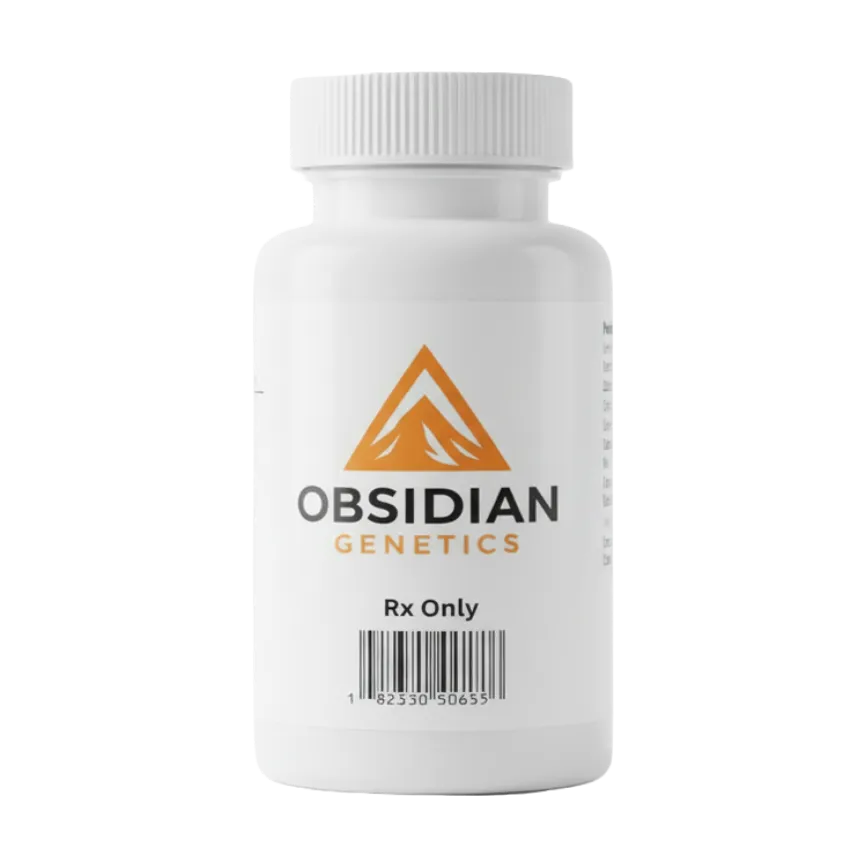
Finasteride Oral
The science behind DHT reduction and follicle preservation.
Male pattern hair loss responds directly to DHT suppression. These numbers show the mechanism and efficacy of finasteride in real clinical practice.
Finasteride 1mg (Propecia) is FDA-approved for male pattern hair loss. Results vary by individual. Continued daily use is required to maintain benefit. Stopping finasteride results in reversal of effects within months. Success rates highest when started early in hair loss progression.
Three mechanisms that address the root cause of male pattern baldness.
5-Alpha Reductase Inhibition
Finasteride specifically inhibits Type II 5-alpha reductase, the enzyme responsible for converting testosterone into DHT. This occurs at the hair follicle itself, where Type II reductase is most concentrated. By blocking this enzyme, finasteride prevents the formation of the hormone that attacks susceptible hair follicles.
DHT Reduction at the Follicle
The result is a reduction in scalp DHT of approximately 64 percent (Drake 1999). DHT is the critical factor in androgenic alopecia; it binds to androgen receptors in genetically susceptible follicles, triggering miniaturization. When DHT levels drop, this process stops. The follicles are no longer under hormone-driven attack.
Follicle Preservation and Recovery
Once DHT suppression begins, miniaturized follicles stabilize and the hair cycle normalizes. In many cases, partially miniaturized follicles recover, producing thicker, longer hairs. This is most pronounced when finasteride is started early, before follicles become completely atrophied. Continued use maintains the effect; stopping finasteride allows DHT to rise again and hair loss to resume.
Finasteride 1mg is FDA-approved for male pattern hair loss.
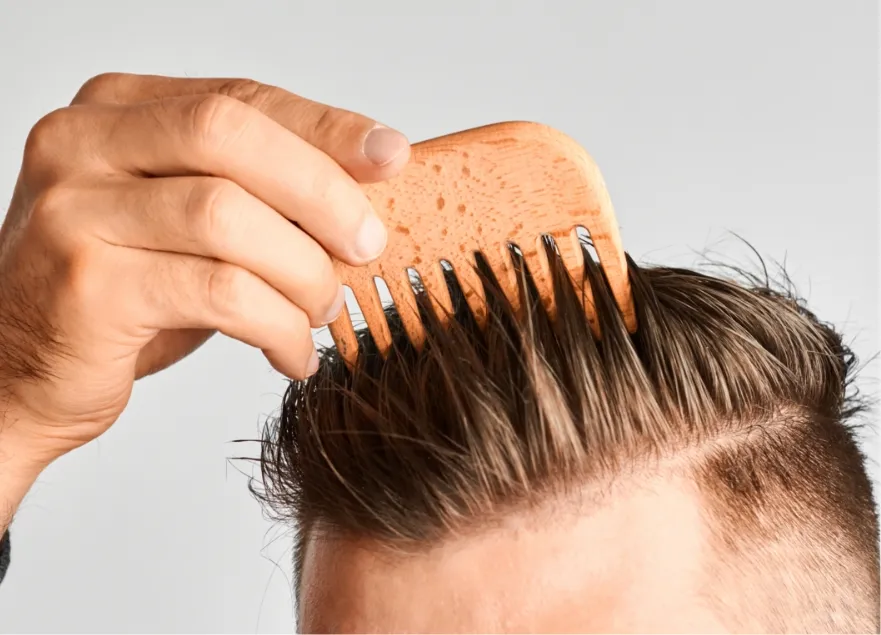
Finasteride works best when started early, but benefits anyone with androgenic alopecia.
Early Stage (Norwood I-III)
Optimal timing for finasteride initiation. At early stages, follicles are miniaturized but not completely atrophied. When DHT is suppressed, recovery is most robust. Most men in this category achieve visible regrowth and sustained density improvement. The benefit is both preventive (stopping further loss) and restorative (recovering lost density).
Moderate Stage (Norwood IV-V)
Finasteride still provides significant benefit, though recovery is less dramatic than in earlier stages. Stabilization of existing hair is reliable; significant regrowth is less certain. Many men see slowing of loss and modest density improvement. The earlier you start, the better the outcome at this stage. Some moderate-stage patients benefit from combining finasteride with topical minoxidil.
Advanced Stage (Norwood VI-VII)
Finasteride offers limited restoration in severe hair loss, as many follicles have become completely non-functional. However, it can stabilize remaining density and prevent further progression. Advanced-stage patients should discuss realistic expectations with their provider. The goal at this stage is halting loss and maintaining what remains, rather than reversing extensive baldness.
What to expect as finasteride takes effect.
Months 1-3 (Initial Phase)
DHT suppression begins immediately, but the hair cycle lags behind. Some patients experience increased shedding in the first 1-2 months as resting hairs cycle out naturally. This is normal and expected; it means the medication is working. Continue your daily dose. Shedding phase typically resolves by month 3.
Months 3-6 (Stabilization)
Hair shedding normalizes. Stabilization of existing density becomes visible. Some men notice subtle improvements in hairline or crown thickness. The foundation is being laid for recovery. Consistency is critical at this stage; results require continuous DHT suppression.
Months 6-9 (Improvement)
Measurable hair density improvement begins to appear. Hair count increases; hairline may show early signs of recovery. Improvements are modest but cumulative. Many patients first notice their barber or family members commenting on improved hair thickness at this stage.
Month 12+ (Full Response)
Full response to finasteride is typically apparent by 12 months. Hair density improvement peaks around this timeframe. Many men see significant hairline recovery and crown density restoration. Continued daily use is required to maintain these results. Long-term success requires lifelong consistency.
Safety & Considerations
Finasteride is a prescription medication. Your Obsidian Genetics provider will review your full health history before prescribing.
⚠ Important Safety Information
Sexual side effects occur in a minority of users and are typically reversible. A small percentage of men report decreased libido, erectile dysfunction, or reduced ejaculate volume. These effects affect a minority of users and typically occur within the first 1-2 months of treatment. In the majority of cases, these effects resolve after discontinuation of the medication. Your care team can discuss risk mitigation strategies if this is a concern for you.
Pricing
Finasteride Protocol Pricing
One flat rate. Physician supervision, compounded medication, and ongoing support included.
Finasteride 1mg — 90 tablets.
Finasteride 1mg — 180 tablets.
Finasteride 1mg — 360 tablets. Save $108 vs. 3-month pricing.
Includes: physician consultation · ongoing provider support · free shipping
Frequently asked question
How long before I see results from finasteride?
Initial stabilization of hair loss typically occurs by month 2-3. Early signs of regrowth and density improvement may appear at 3-4 months, but the most dramatic results develop between months 6-12. The timeline varies by individual. Some men see significant improvement within 6 months; others require the full 12 months to see the most benefit. Consistency is critical; results depend on uninterrupted daily medication use.
What happens if I stop taking finasteride?
Finasteride stops working as soon as you stop taking it. Hair loss resumes within weeks to months as DHT levels rise back to baseline. Any hair regained while on finasteride will be shed within a few months of discontinuation. Results are not permanent; they depend on continuous daily use. If you’re concerned about long-term commitment, discuss this with your provider before starting treatment.
Will finasteride affect my testosterone levels?
Finasteride does not reduce testosterone production. It prevents the conversion of testosterone to DHT by blocking 5-alpha reductase. Testosterone levels remain normal or may even rise slightly as the body compensates. Finasteride does not cause hormonal imbalance or low testosterone. Sexual function is theoretically unrelated to total testosterone suppression, though a small percentage of men report sexual side effects at therapeutic doses.
How common are the sexual side effects?
Sexual side effects affect a small minority of men taking finasteride. Approximately 1-3 percent report decreased libido, erectile dysfunction, or reduced ejaculate volume. These effects are typically mild, occur early in treatment, and resolve upon discontinuation in most cases. The vast majority of men tolerate finasteride without sexual side effects. Your care team will discuss your individual risk factors and can offer strategies to mitigate risk.
Can I use finasteride together with minoxidil?
Yes, finasteride and minoxidil work through different mechanisms and complement each other. Finasteride stops DHT-driven hair loss; minoxidil stimulates hair growth directly. Many dermatologists recommend the combination, particularly for men with moderate hair loss or those seeking the best possible outcome. Your Obsidian Genetics provider can assess whether combination therapy is appropriate for your situation.
I've already lost a lot of hair. Is it too late for finasteride to help?
Finasteride is most effective when started early, but it can still help at advanced stages. In extensive hair loss (Norwood Stage VI-VII), the goal is stabilization and prevention of further loss rather than major regrowth. Completely bald scalp areas with no remaining hair follicles cannot be recovered with medication; hair transplantation may be the only option for those areas. Your provider will assess your specific stage and realistic outcomes during your consultation.
Is finasteride a lifelong commitment?
Yes. Finasteride works only while you are taking it consistently. Hair loss resumes when treatment stops. Many men view it as a long-term investment in hair preservation rather than a temporary treatment. The daily habit becomes routine. Before starting, consider your willingness to commit to daily medication use. If long-term commitment is a concern, discuss alternative or complementary approaches with your provider.
FDA Approval Status: Finasteride 1mg is FDA-approved for male pattern hair loss under the brand name Propecia. This is a standard generic medication manufactured to FDA standards. Obsidian Genetics prescribes the established, proven formulation approved for this indication. This is not a compounded or off-label preparation.
Women and Pregnancy: Finasteride is absolutely contraindicated in women of childbearing potential. The drug can cause abnormalities of external genitalia in male fetuses. Women must not handle crushed or broken tablets. If you are a woman of childbearing age, this medication is not for you. Men using finasteride do not expose partners to risk through sexual contact; however, pregnant women must not be exposed to the medication.
PSA and Prostate Screening: Finasteride lowers PSA levels by approximately 50 percent. Inform your primary care provider that you are taking finasteride before any prostate cancer screening or PSA testing. Your physician must account for this drug effect when interpreting results. This is a critical disclosure to your non-telehealth providers.
Not Medical Advice: The content on this page is for informational purposes only and does not constitute medical advice, diagnosis, or treatment. Consult a qualified healthcare provider before starting any new treatment. All Obsidian Genetics prescriptions are issued following a clinical review by a licensed provider.
Citations & Evidence: 5-alpha reductase inhibition and DHT reduction: Gormley GJ et al., N Engl J Med. 1992;327(4):247-252. This landmark study established the ~70% DHT reduction at the scalp. Clinical efficacy: Kaufman KD et al., J Am Acad Dermatol. 1998;39(4 Pt 1):578-589. Landmark 2-year trial showing 83-90% of patients maintain or gain hair count. Timeline and dosing: FDA approval summary and clinical practice guidelines.
Obsidian Genetics is a telehealth platform connecting patients with licensed providers. All prescriptions are issued by state-licensed healthcare providers. © 2024 Obsidian Genetics. All rights reserved.