
Glutathione. The master antioxidant your body makes less of every year — and needs most.
Every cell in your body produces glutathione. It is the most abundant antioxidant in human tissue, the liver’s primary detoxification molecule, and the compound your body relies on to neutralize free radicals, recycle other antioxidants, and manage the oxidative load that accumulates with age, stress, and metabolic strain.
The problem is that the enzyme responsible for synthesizing glutathione — GCL — loses more than half its activity as you age. By your 50s and 60s, the cellular defense systems that protected you through your 20s are running at a fraction of their original capacity. The result shows up as fatigue, slower recovery, reduced immune resilience, and accelerated biological aging.
Injectable glutathione bypasses the digestive tract entirely. Oral glutathione is largely degraded before absorption — the injection delivers the molecule directly into your bloodstream, where it can be taken up immediately by liver, muscle, and immune cells.
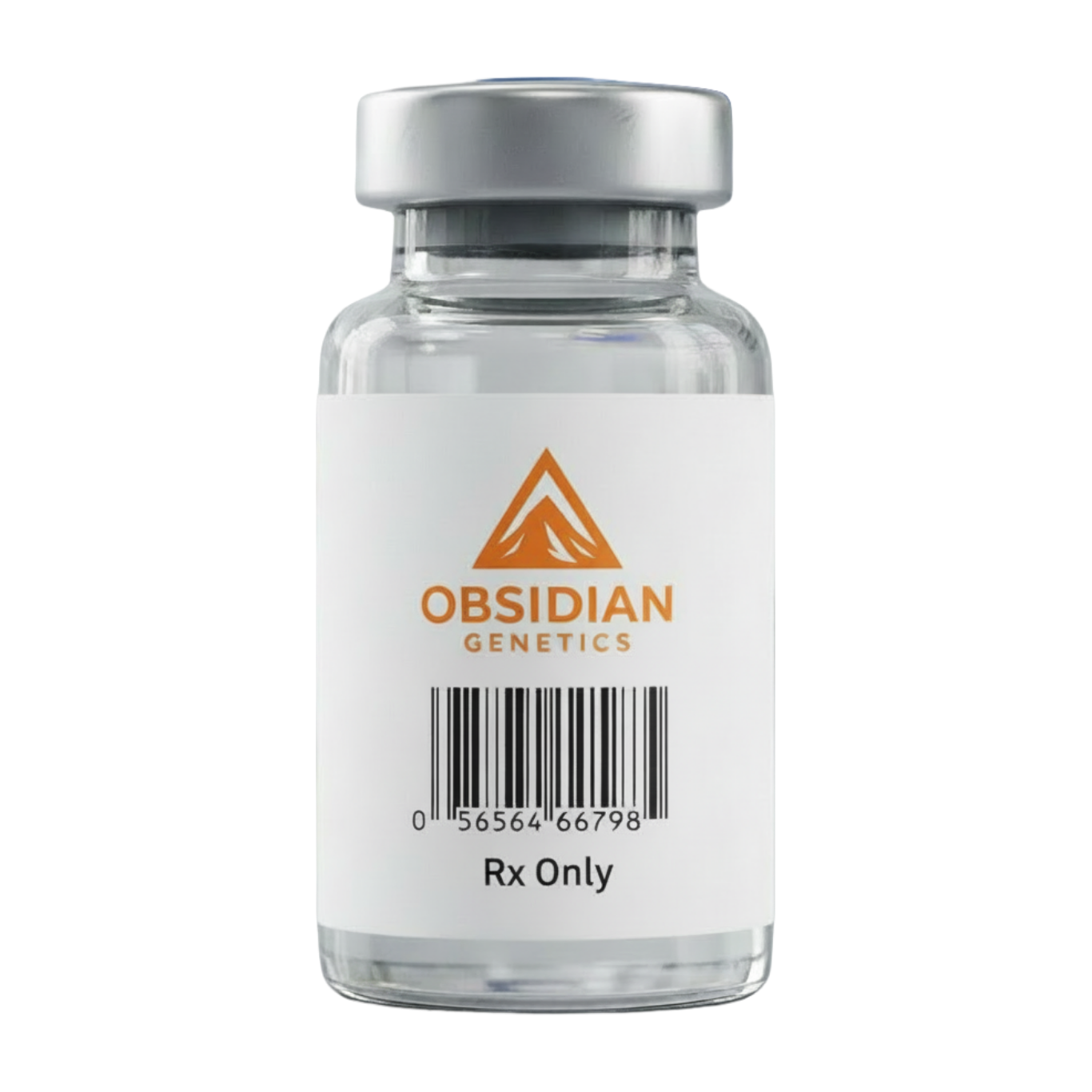
Antioxidant Rx (Glutathione)
Why your antioxidant defenses weaken — and what restoring them does.
These numbers explain why glutathione is considered the central molecule in cellular defense, and why injectable delivery changes the equation for aging adults.
Individual results vary. GCL decline data derived from aging tissue studies; human in vivo glutathione decline is multifactorial. Injectable glutathione is a compounded preparation used off-label for longevity, detoxification, and antioxidant support. Results are not guaranteed.
Three things glutathione does that no other antioxidant can.
Direct Free Radical Neutralization
Glutathione donates electrons to unstable free radicals — the reactive oxygen species generated by metabolism, stress, alcohol, and environmental toxin exposure. This direct scavenging action neutralizes the radicals before they can damage cell membranes, mitochondrial DNA, and proteins. As cellular glutathione levels decline, the accumulation of oxidative damage accelerates the aging process at the molecular level.
Liver Phase II Detoxification
The liver clears toxins through a two-phase process. Phase I breaks toxins into reactive intermediate compounds. Phase II — where glutathione is essential — conjugates these intermediates, rendering them water-soluble and ready for excretion. Glutathione S-transferase enzymes carry out this conjugation using glutathione as the binding molecule. Adequate glutathione supply is what determines how efficiently Phase II detox can run.
Antioxidant Network Regeneration
After Vitamins C and E neutralize free radicals, they become oxidized and inactive. Glutathione regenerates these antioxidants — converting them back to their active, protective forms. This recycling function means glutathione does not just add to your antioxidant capacity: it multiplies it. When glutathione levels are low, the entire antioxidant network downstream becomes less effective, even when vitamin intake is adequate.
Prescribed For

Glutathione Injection vs. Oral Supplement.
Oral glutathione supplements face a fundamental problem: the glutathione molecule is largely cleaved into its component amino acids during digestion before it can be absorbed intact.
Glutathione Injection
Injectable • Direct systemic delivery
Oral Glutathione Supplement
Capsule / Liposomal • Variable absorption
How does it work?
Fill in a brief health assessment form, 100% online — takes under 10 minutes.

Our board-certified physicians review your answers and determine if semaglutide is appropriate for you.

Fast, free delivery if granted a prescription — supplies included, discreet packaging, right to your door.
Safety and what to expect.
Glutathione injection is generally well-tolerated. Here is what most patients experience — including a few things worth knowing upfront.
⚠ Generally Well Tolerated
Injectable glutathione is well-tolerated at therapeutic doses across most patient populations. The most common reported effects are mild injection site discomfort and occasional headache or lightheadedness following administration, both of which typically resolve quickly without intervention.
Important Precautions — Glutathione is not appropriate for patients with sulfa allergies. It may interact with certain chemotherapy regimens — if you are currently in active cancer treatment, consult your oncologist before starting. Not recommended during pregnancy or breastfeeding unless medically directed. Long-term high-dose use has been associated with reduced zinc levels in some patients; your provider monitors for this.
Prescribed and monitored by your care team. All Obsidian Genetics prescriptions follow a licensed provider intake review. Your provider evaluates your health history, medications, and any contraindications before prescribing. Glutathione protocols are individualized — dosing, frequency, and cycling are adjusted based on your goals and clinical response.
Frequently asked question
Why can't I just take a glutathione supplement?
Oral glutathione supplements face a fundamental absorption problem: the glutathione molecule is largely cleaved into its component amino acids during digestion. What gets absorbed is mostly cysteine, glycine, and glutamate — not the intact, active molecule. Some liposomal formulations improve on this, but absorption remains highly variable. Injectable glutathione bypasses the GI tract entirely, delivering the intact molecule directly into your bloodstream.
What results can I expect and when?
Most patients report improved energy and a sense of reduced fatigue within the first one to two weeks. Skin clarity improvements — reflecting systemic reduction in oxidative load — are commonly reported in the first month of consistent use. Improvements in liver enzyme markers, immune resilience, and oxidative stress indicators typically accumulate over one to two months of regular treatment. Results vary by individual and goals.
Why does glutathione decline with age?
The primary driver is age-related decline in the activity of GCL — glutamate-cysteine ligase — the enzyme responsible for synthesizing glutathione in cells. Research published in PNAS found that both catalytic and regulatory subunits of GCL decline by 47–53% in aging tissue, reducing the cell’s capacity to produce glutathione regardless of precursor availability. Additionally, aging increases the cumulative oxidative load that depletes available glutathione more rapidly.
I noticed a sulfur smell after my injection. Is something wrong?
Nothing is wrong. Glutathione contains a cysteine residue — a sulfur-bearing amino acid — and some patients notice a temporary sulfur odor on the breath or skin as glutathione is metabolized. This is a normal, harmless side effect that resolves within hours. It is uncommon, but we mention it so patients are not alarmed. If it persists or is accompanied by any other unusual symptoms, contact your care team.
How often are the injections?
Injection frequency is set by your prescribing provider based on your goals and clinical assessment. Most protocols run one to three times per week. Some patients use glutathione on a continuous basis; others cycle it in periods of higher metabolic demand — during illness recovery, after intensive travel, or alongside other longevity protocols. Your care team will recommend the approach that fits your situation.
Compounded Medication Notice: Injectable Glutathione is a compounded preparation. It is not an FDA-approved drug product. Compounded medications are not reviewed by the FDA for safety, efficacy, or manufacturing standards. This product is prescribed by a licensed provider and prepared by a licensed compounding pharmacy for individual patient use. It is used off-label for longevity, cellular defense, and detoxification purposes. Results are not guaranteed and individual outcomes vary.
Not Medical Advice: The content on this page is for informational purposes only and does not constitute medical advice, diagnosis, or treatment. Consult a qualified healthcare provider before starting any new treatment. All Obsidian Genetics prescriptions are issued following a clinical review by a licensed provider.
Citations & Evidence: GCL enzyme decline (>50%): Suh et al., PNAS (2004); doi:10.1073/pnas.0400282101. Antioxidant recycling: Dröge & Breitkreutz, Proceedings of the Nutrition Society (2000). Liver glutathione role: Lu, Molecular Aspects of Medicine (2009); PMC2596047. 6-month RCT oxidative stress improvement: Dincer et al., Antioxidants (2022); PMC9137531.
Obsidian Genetics is a telehealth platform connecting patients with licensed providers. ©2024 Obsidian Genetics. All rights reserved.