
Hydroquinone (Compounded Brightening Formula). Prescription strength pigment control.
Melasma, dark spots, post-inflammatory hyperpigmentation, and sun damage don’t fade on their own. Hydroquinone is the most-studied ingredient in dermatology for addressing hyperpigmentation by blocking tyrosinase, the enzyme melanocytes use to produce melanin. The problem is that over-the-counter hydroquinone maxes out at 2%. These compounded formulas deliver 6% to 12% hydroquinone, combined with clinically validated supporting actives unavailable in OTC products.
Three strength tiers matched to your skin type and hyperpigmentation severity. Applied nightly to affected areas, followed always by SPF 30+. Typical treatment is 3-month on, 1-month off cycles. Prescription required; compounded at a licensed pharmacy.
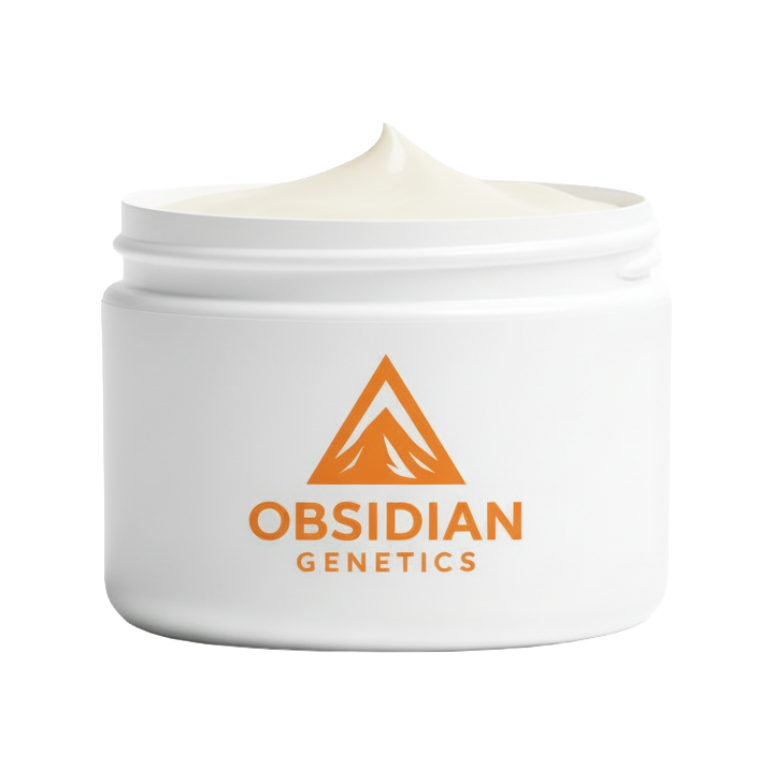
Dark Spots + Melasma Cream
Hydroquinone by the numbers. What research shows.
Decades of dermatology research back prescription-strength hydroquinone as the most effective topical approach to stubborn hyperpigmentation.
The science behind compounded hydroquinone.
Hydroquinone doesn't bleach or destroy existing pigment. Instead, it blocks the enzyme melanocytes use to produce new melanin, allowing existing dark spots to fade naturally as skin turns over.
Tyrosinase Inhibition
Hydroquinone blocks tyrosinase, the enzyme that converts tyrosine to melanin inside melanocytes. By inhibiting this enzyme, hydroquinone reduces new melanin production. Existing dark spots fade naturally through the skin's normal cell turnover cycle, roughly 28 days per cycle, compounding over weeks.
Multi-Active Synergy
Each formula stacks complementary actives. Vitamin C provides secondary pigment blockade and antioxidant protection. Niacinamide reduces inflammation and blocks melanosome transfer to keratinocytes. Medium and High formulas add tretinoin, which accelerates cell turnover and boosts hydroquinone penetration. This synergy multiplies efficacy beyond hydroquinone alone.
Tiered by Severity
Low formula for mild or sensitivity-prone cases. Medium adds tretinoin for moderate melasma and stubborn uneven tone. High formula targets severe, resistant hyperpigmentation and includes hydrocortisone to offset irritation from the combined actives. Your provider matches the formula to your skin type and pigmentation severity.
Four formulas. Matched to your severity.
Your Obsidian Genetics provider recommends the right formula based on your skin type, pigmentation severity, sensitivity history, and goals. Three tiers add tretinoin for progressively stronger pigment blockade; the fourth uses dual tyrosinase inhibition (Hydroquinone + Kojic Acid) for patients who want stronger pigment suppression without the retinoid-driven irritation profile.
Low Strength
Sensitive Skin, Mild HyperpigmentationHydroquinone 6%Gentle entry-level strength for first-time users or sensitive skin
Vitamin C 1%Antioxidant and secondary tyrosinase inhibitor
Niacinamide 2%Anti-inflammatory; blocks melanosome transfer to skin surface
Best forMild dark spots, post-inflammatory hyperpigmentation in sensitive skin types, or first exposure to prescription hydroquinone
Medium Strength
Moderate Melasma, Uneven ToneHydroquinone 8%Enhanced pigment blockade for moderate stubborn hyperpigmentation
Tretinoin 0.025%Low-dose retinoid accelerates cell turnover and boosts HQ penetration
Vitamin C 1%Antioxidant and secondary tyrosinase inhibitor
Niacinamide 2%Anti-inflammatory; blocks melanosome transfer to skin surface
Best forModerate melasma, uneven tone, stubborn dark patches resistant to lower-strength treatments
High Strength
Severe Melasma, Resistant HyperpigmentationHydroquinone 12%Maximum prescription-strength pigment blockade
Tretinoin 0.05%Higher-dose retinoid for aggressive cell turnover acceleration
Niacinamide 2%Anti-inflammatory; blocks melanosome transfer to skin surface
Hydrocortisone 2.5%Reduces irritation potential from combined actives in high formula
Best forSevere melasma, resistant hyperpigmentation unresponsive to other treatments, significant sun damage
Dual Tyrosinase Path
Retinoid-Free · Dual Pigment BlockadeHydroquinone 6%Primary tyrosinase inhibitor — reduces new melanin production
Kojic Acid 6%Fungal-derived tyrosinase inhibitor — attacks the melanin pathway via a different binding site than HQ, giving additive pigment suppression
Niacinamide 5%Anti-inflammatory; blocks melanosome transfer to skin surface at higher concentration than lower tiers
Best forModerate hyperpigmentation in patients who can’t tolerate retinoids, want to avoid tretinoin’s photosensitizing effects, or need a non-retinoid pigment protocol (pregnancy considerations — see disclaimer)
Cycle noteThis formula (like all HQ formulas) is used in cycles — typically 3 months on, 2–3 months off — to prevent tolerance and reduce the small risk of ochronosis with prolonged use.
How to use Hydroquinone Compounded Brightening Formula.
Cleanse and Dry
Cleanse your face thoroughly with a gentle cleanser. Pat dry completely. Application to clean, dry skin maximizes penetration.
Apply Nightly
Apply a pea-sized amount to darkened areas only, not surrounding skin. Use at night. Allow to absorb for a few minutes, then follow with moisturizer if needed.
Morning SPF
Apply SPF 30+ every morning without exception. Hydroquinone increases sun sensitivity. UV exposure will reverse progress and can cause paradoxical darkening.
3-Month Cycles
Use for 3 months, then take a 1-month break before resuming. Continuous use beyond recommended cycles increases risk of ochronosis, a rare paradoxical darkening.
What to expect over a 3-month treatment cycle.
Adjustment Phase
Your skin is adjusting. Some mild tingling or mild irritation is normal, especially with Medium and High formulas containing tretinoin. Redness or sensitivity typically subsides within a few days to a week.
First Visible Results
The first visible lightening of dark spots becomes noticeable. Most patients see clear fading by week 6. Consistency and daily SPF are essential to maintain this progress.
Significant Lightening
Continued accumulation of results. Targeted areas show measurable, sustained lightening. Many patients see dramatic improvement by the end of the 3-month cycle with consistent use and sun protection.
Break and Reassess
Take a 1-month break from nightly application. Skin recovers. Contact your provider to reassess results and discuss continuing for another cycle or adjusting formula strength.
Safety and what to expect.
Hydroquinone is safe when used as directed. Patch testing is recommended. Know the discontinuation signals.
Patch Testing
Before applying to your face, perform a 24-hour patch test on clean, dry skin on your inner arm. This catches sensitivity reactions early. If you tolerate the patch test well, proceed to facial application as directed.
Avoid Contact
Avoid contact with eyes, nostrils, and lips. If the formula contacts eyes, rinse immediately with cool water. Do not use if you are pregnant or breastfeeding.
When to Discontinue
If you experience severe irritation, persistent redness, or unexpected adverse effects, discontinue use immediately and contact your Obsidian Genetics provider. Do not continue through significant discomfort.
Ochronosis and Cycling Protocol
Ochronosis is a rare condition where prolonged overuse of depigmenting agents causes paradoxical darkening. It is avoided by following the 3-month on, 1-month off cycling protocol and not using hydroquinone continuously year-round. Your provider monitors your progress and will emphasize cycling discipline during your treatment plan.
Compounded Medication Notice: Hydroquinone (Compounded Brightening Formula) is a compounded preparation. It is not an FDA-approved drug product. Compounded medications are not reviewed by the FDA for safety, efficacy, or manufacturing standards. This product is prescribed by a licensed provider and prepared by a licensed compounding pharmacy for individual patient use. It is intended for off-label clinical dermatology purposes. Results are not guaranteed and individual outcomes vary.
Not Medical Advice: The content on this page is for informational purposes only and does not constitute medical advice, diagnosis, or treatment. Consult a qualified healthcare provider before starting any new treatment. All Obsidian Genetics prescriptions are issued following a clinical review by a licensed provider.
Use During Pregnancy and Breastfeeding: Hydroquinone is not recommended for use during pregnancy or breastfeeding. Discuss family planning with your provider before starting this formula.
Ochronosis and Cycling: Follow the 3-month on, 1-month off cycling protocol. Continuous use beyond recommended cycles increases the rare risk of ochronosis (paradoxical darkening). This is avoided through disciplined cycling and provider oversight.
Citations & Evidence: Hydroquinone is the most-studied topical depigmenting agent in dermatology (four decades of published research). Efficacy data reflects published meta-analyses of melasma treatment outcomes (Albzea et al., Cureus 2023). Timeline and efficacy claims are based on typical clinical presentation; individual results vary by skin type, ethnicity, genetic predisposition, sun exposure, and treatment compliance. Your provider will set realistic expectations during your initial consultation.
Obsidian Genetics is a telehealth platform connecting patients with licensed providers. ©2024 Obsidian Genetics. All rights reserved.