The most studied molecule in aging biology. Now available for longevity optimization.
Rapamycin (sirolimus) is an mTOR pathway inhibitor originally developed for transplant immunosuppression. At low weekly doses, it has become the focus of significant longevity research—and the only drug shown to extend lifespan across multiple mammalian species.
Published research demonstrates rapamycin’s effects on cellular aging, autophagy activation, senescent cell reduction, and metabolic health. The weekly low-dose protocol avoids the immunosuppression risks seen at daily therapeutic doses, while unlocking mTOR-related longevity benefits.
At Obsidian Genetics, we offer physician-supervised low-dose rapamycin protocols tailored to healthspan optimization—one transparent monthly price, personalized dosing, and ongoing provider oversight.
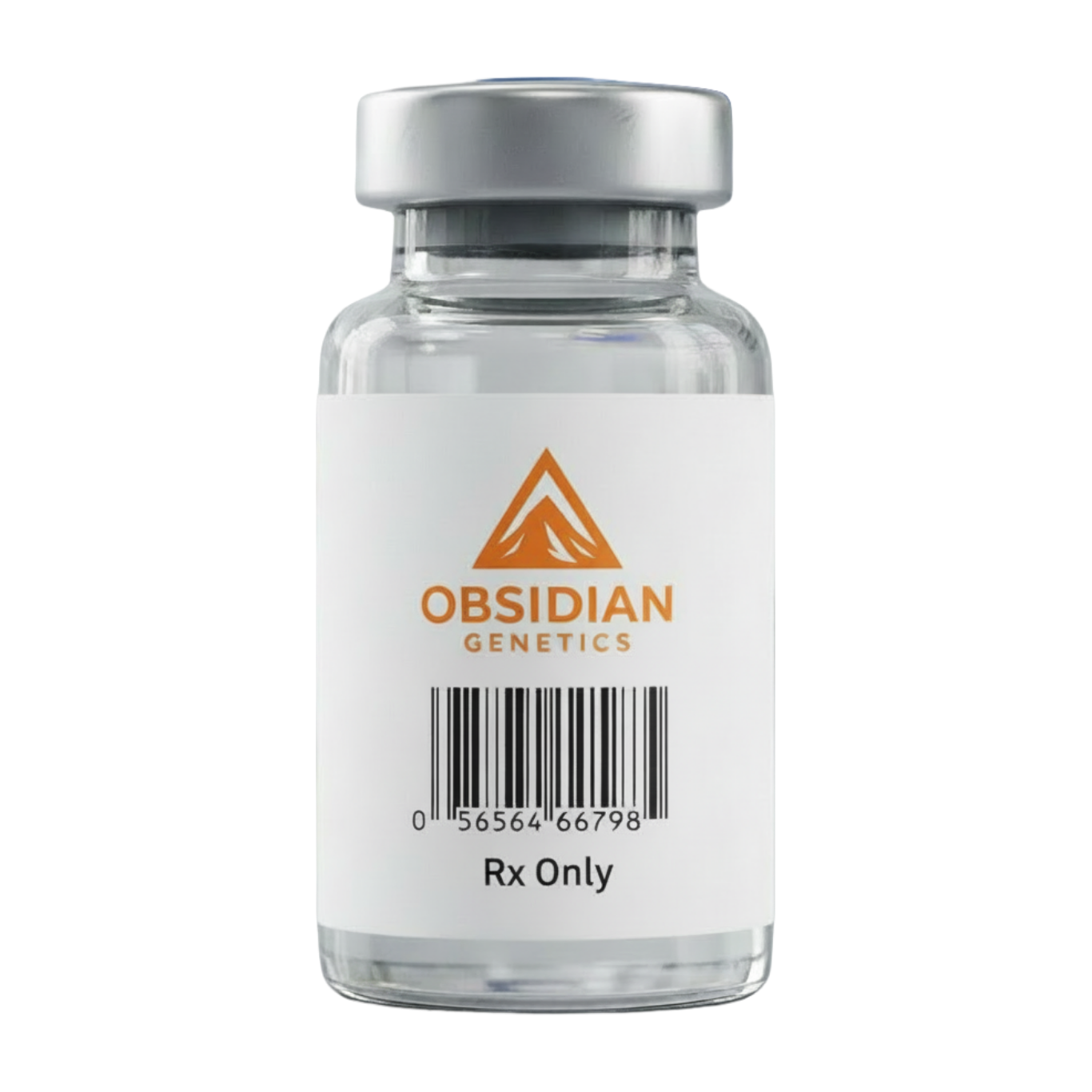
Rapamycin
Pricing
Rapamycin Protocol Pricing
One flat rate. Physician supervision, compounded medication, and ongoing support included.
Pricing to be announced at launch.
Includes: physician consultation · compounded medication · ongoing provider support · free shipping
The science behind the longevity protocol.
From landmark aging biology and lifespan extension studies.
Research citations reflect published preclinical and clinical studies on rapamycin's longevity mechanisms. Off-label longevity use in humans is not FDA-approved. Lifespan extension demonstrated in animal models; human longevity outcomes remain to be established. Individual health outcomes may vary. Physician oversight required.
Prescribed For
All applications reflect emerging longevity research. Off-label use is not FDA-approved and requires physician evaluation and monitoring.

A complete longevity program. One price.
Physician consultation & assessment
Initial evaluation to determine if low-dose rapamycin is appropriate for you, including full health history review and longevity goal alignment.
Personalized dose protocols
Your provider establishes your starting dose (typically 1–2mg weekly) and adjusts based on your response and lab work—all included, no extra fees.
Rapamycin capsules (compounded or generic)
High-quality rapamycin prepared for low-dose weekly administration. Discreet, confidential delivery to your home with temperature control.
Lab monitoring & oversight
Baseline and ongoing CBC, metabolic panel, and lipid monitoring. Your provider reviews labs and adjusts your protocol as needed.
Ongoing provider support
Regular check-ins, dosing guidance, and direct access to your physician throughout your longevity protocol—for the long term.

How low-dose rapamycin works.
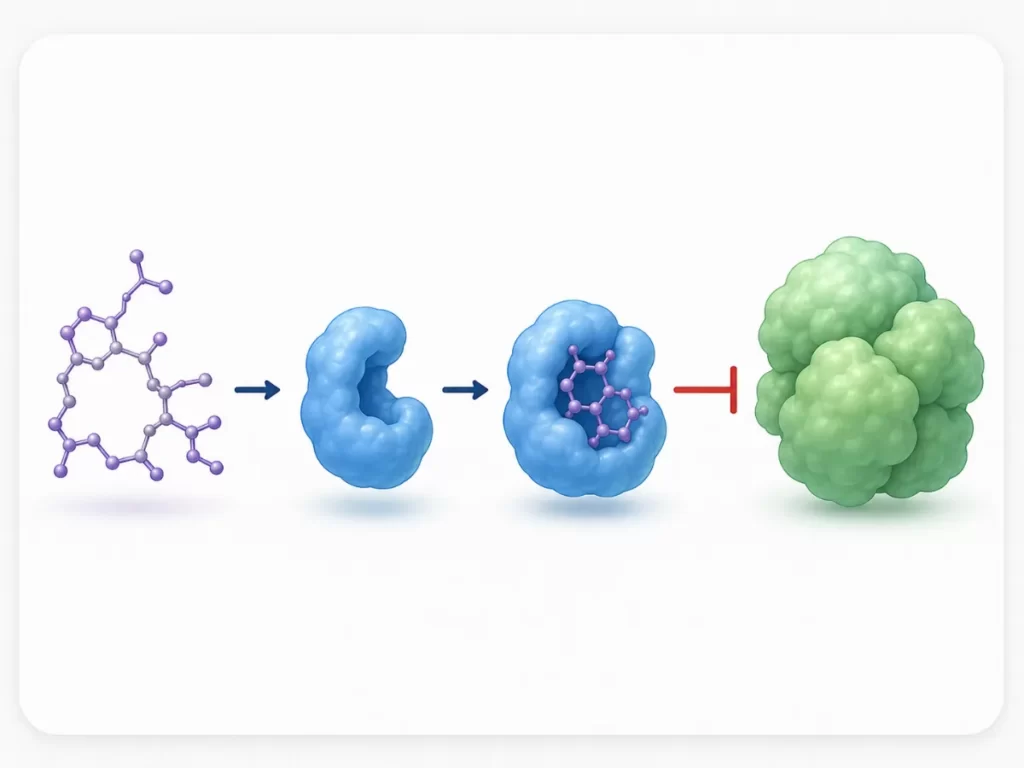
mTOR inhibition. Rapamycin binds FKBP12 and inhibits mTOR Complex 1 (mTORC1)—the nutrient-sensing hub that drives aging-related growth and proliferation.
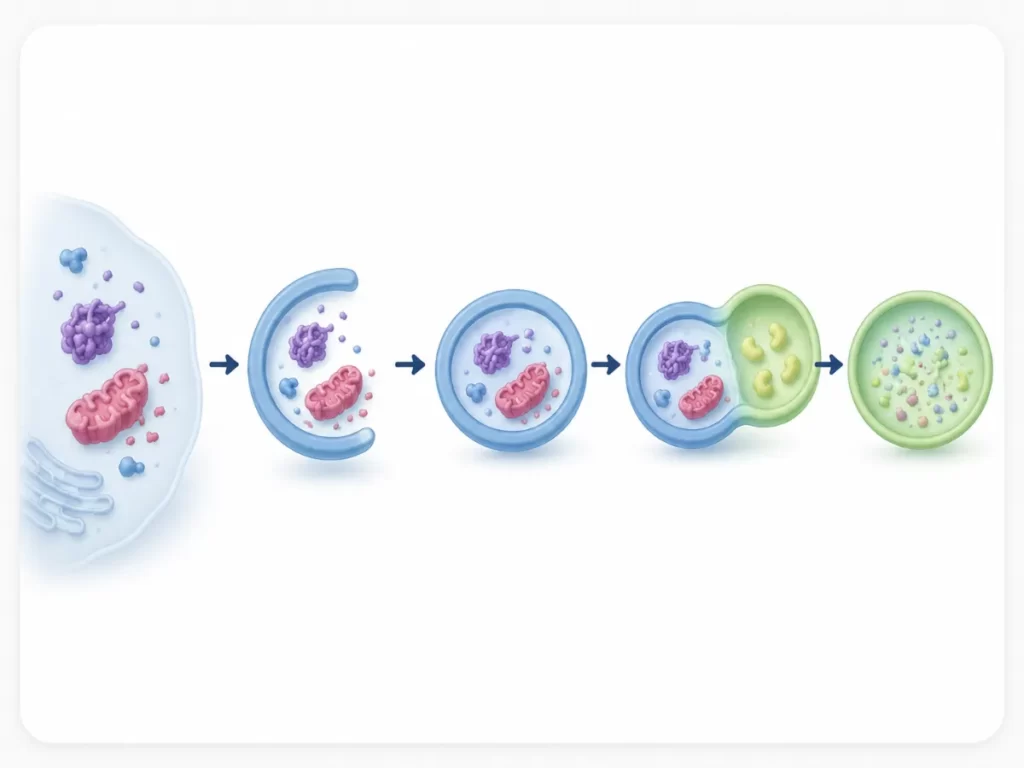
Autophagy activation. mTORC1 inhibition triggers autophagy—the cellular "cleanup" process that removes damaged proteins, mitochondria, and senescent debris.
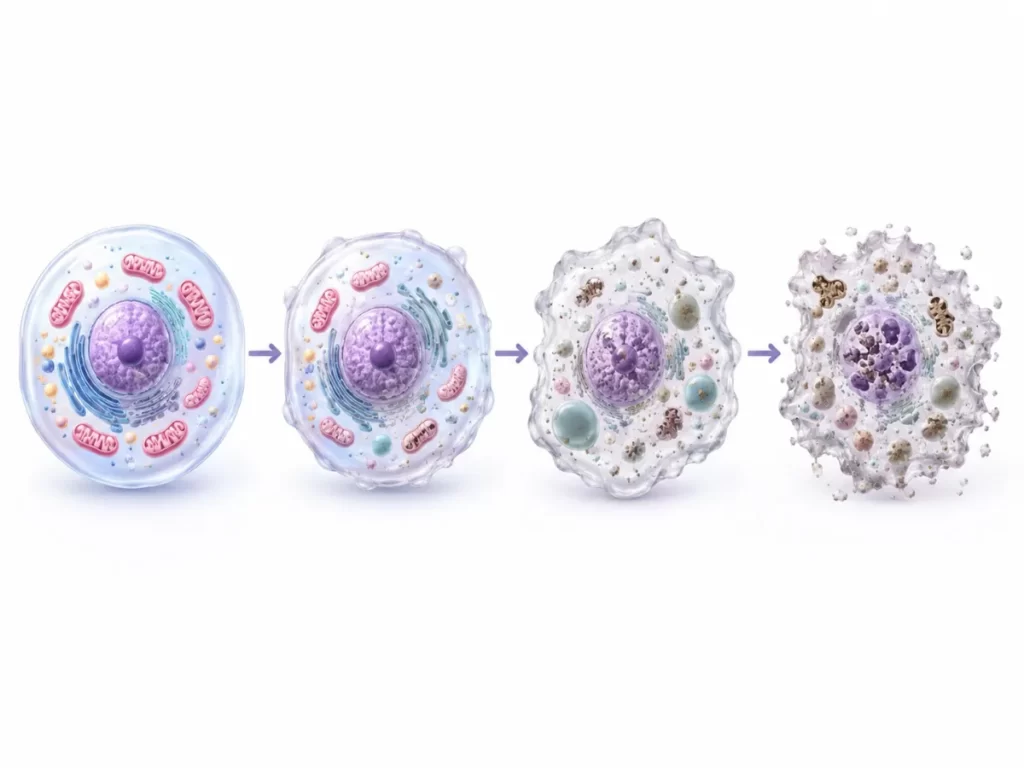
Longevity benefits. Weekly dosing preserves mTORC2 function (immune health) while capturing mTORC1 aging-suppression benefits—the "sweet spot" for healthspan.
Safety & Contraindications
Rapamycin is a prescription medication. Off-label longevity use requires physician evaluation and oversight. Not appropriate for all patients.
⚠ Critical Contraindications
Do not use rapamycin if you have: active infections, pregnancy (teratogenic), known hypersensitivity to rapamycin or sirolimus, or uncontrolled immunosuppression. Rapamycin is not recommended with live vaccines. If you have a history of severe infections, impaired immune function, or kidney disease, discuss with your provider before use.
Common side effects at low doses (rare at weekly protocol): oral ulcers/mouth sores (most common), mild GI upset, lipid elevation (monitored), fatigue, and rash. Most side effects resolve or diminish over time.
Drug interactions: Rapamycin is metabolized by CYP3A4—avoid grapefruit juice and certain medications (discuss with provider).
Lab monitoring: CBC, metabolic panel, lipid profile, and kidney function are monitored regularly.
Frequently asked question
Is this the same rapamycin used in organ transplants?
Yes—same drug, very different dose. Transplant patients take rapamycin daily at high therapeutic doses (5–20mg/day) for immunosuppression. Low-dose rapamycin for longevity uses weekly protocols (1–6mg/week) that avoid the immunosuppression seen at daily doses, while capturing mTORC1 longevity benefits. The weekly “intermittent” approach is what makes longevity dosing distinct and safer.
Why weekly instead of daily dosing?
Weekly dosing is the key to the longevity protocol. It allows mTORC2 (which supports immune function) to recover between doses, while mTORC1 stays inhibited enough to activate autophagy and reduce senescent cell accumulation. This “intermittent” schedule avoids the immunosuppression risk of daily dosing—giving you the longevity benefits without the transplant-level safety concerns.
How do I know if it's working?
Longevity effects aren’t immediately visible like weight loss, but your provider monitors key markers: lipid panel changes, inflammatory markers (if tested), metabolic improvements, and lab trends over 3–6 months. Many patients report improved energy, better sleep, and reduced inflammation anecdotally. The cellular benefits (autophagy, senescent cell reduction) take time—most providers recommend 3–6 months minimum before full assessment.
Is it safe long-term at low doses?
Rapamycin has 60+ years of human safety data in transplant patients. At low weekly doses for longevity, the risk profile is significantly lower than daily immunosuppressive doses. Long-term human longevity trials are still ongoing, so we don’t yet have definitive lifespan extension data in humans—only preclinical and mechanistic support. Most longevity researchers believe low-dose weekly protocols are safe long-term, but it remains an “emerging” approach. Your provider will monitor you closely.
Who is a good candidate for rapamycin?
Good candidates are generally healthy adults (typically 40+) interested in proactive longevity optimization, with no active infections, uncontrolled immune conditions, or pregnancy. You should be willing to commit to lab monitoring (CBC, metabolic panel every 3–6 months) and ongoing physician oversight. People with a family history of age-related disease or interest in extending healthspan are ideal candidates. Your physician will determine if it’s appropriate for your specific health profile.
Can I take it with other longevity compounds (NAD+, metformin, NMN)?
Many longevity practitioners combine rapamycin with other compounds like NAD+, metformin, and NMN as part of a multi-pathway approach. However, always disclose all supplements and medications to your Obsidian Genetics provider before starting. Some compounds may interact with rapamycin’s metabolism (via CYP3A4), and your provider will advise on safe combinations and optimal timing between doses. Never add new compounds without physician approval.
Important: Rapamycin (sirolimus) is FDA-approved as an immunosuppressant (Rapamune). Off-label use for longevity and healthspan optimization is not FDA-approved and is prescribed by licensed providers at their discretion. Compounded rapamycin is not an FDA-approved drug product and has not undergone independent FDA review for safety or effectiveness. This is a cutting-edge longevity protocol—clinical evidence is promising in preclinical models, but human longevity trials are ongoing and definitive human lifespan extension data does not yet exist. A licensed Obsidian Genetics physician will evaluate your full health history and determine whether low-dose rapamycin is appropriate for you. This product requires a prescription from a licensed healthcare provider. Prescription required. Individual results vary. Research statistics cited reflect published studies on rapamycin’s mechanisms in aging biology—human longevity outcomes have not been independently verified. Always disclose all medications, supplements, and health conditions to your provider. Do not use if you are pregnant, have active infections, or known hypersensitivity to rapamycin. Lab monitoring is mandatory. Rapamycin may interact with certain medications and supplements—discuss all treatments with your provider before starting.