
Valacyclovir for HSV-1 and HSV-2. Treat outbreaks or prevent them entirely.
Valacyclovir is an FDA-approved antiviral that treats herpes simplex virus (HSV-1 and HSV-2) through two distinct treatment modes. Suppressive therapy (daily dosing) reduces outbreak frequency and transmission risk. Episodic therapy (taken at the first sign of symptoms) shortens outbreak duration and severity.
The mechanism is precise: valacyclovir is converted to active acyclovir by HSV-infected cells, where it blocks viral DNA polymerase and stops the virus from replicating. Only infected cells activate it, making it highly selective and well-tolerated with long-term use.
Choose the protocol that fits your life. Daily suppressive therapy is best for frequent outbreaks (6 or more per year) or for reducing transmission to partners. Episodic dosing is ideal for occasional outbreak management.
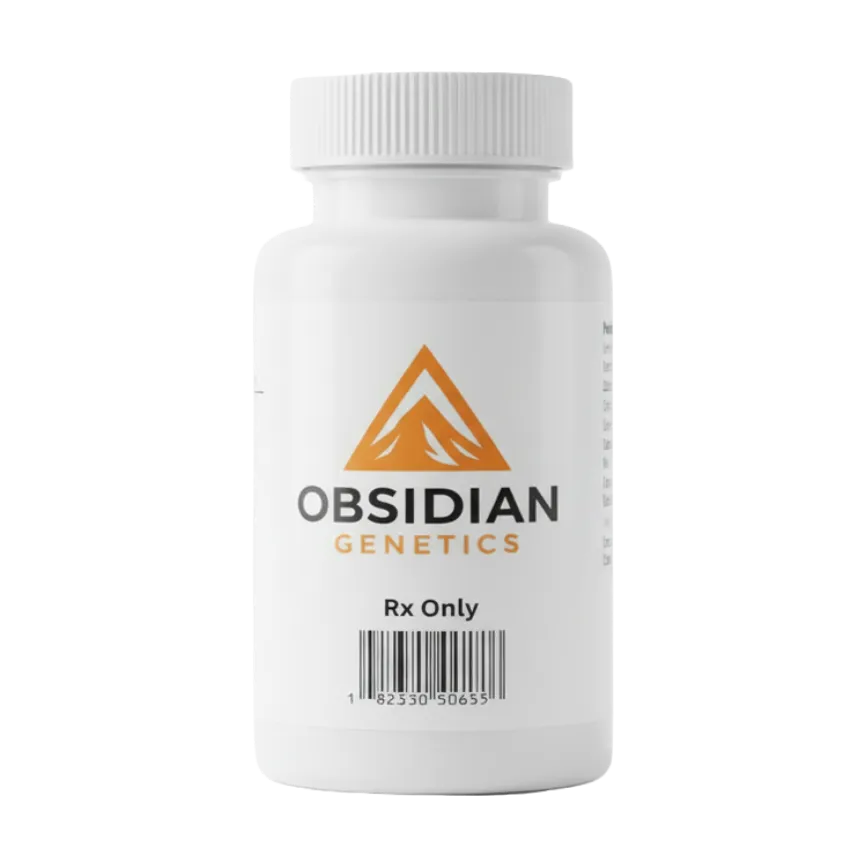
Cold Sore + Herpes Rx (Valacyclovir)
Pricing
Valacyclovir Protocol Pricing
One flat rate. Physician supervision, compounded medication, and ongoing support included.
For acute outbreaks or short-term suppression.
Best value for daily suppressive therapy.
Higher dose for resistant cases or initial outbreaks.
Includes: physician consultation · FDA-approved generic medication · ongoing provider support · free shipping
Valacyclovir efficacy: treatment modes that work.
These numbers reflect decades of clinical research on suppressive and episodic valacyclovir therapy for HSV-1 and HSV-2.
Individual results vary. Transmission reduction assumes consistent daily use and consistent adherence. Episodic therapy effectiveness is highest when initiated at the earliest sign of prodrome (tingling, itching). Valacyclovir does not cure herpes; it manages active infection and reduces asymptomatic shedding.
Valacyclovir's cellular precision: why it works and why it's safe.
Valacyclovir is a prodrug designed for selectivity. It only becomes active inside cells infected with HSV, making it highly specific and well-tolerated.
Viral Thymidine Kinase Activation
Valacyclovir is a prodrug; it's inert until it enters an HSV-infected cell. There, the virus's own thymidine kinase enzyme converts valacyclovir to active acyclovir triphosphate. Uninfected cells cannot activate it, so the drug remains inactive. This ensures high selectivity and minimal systemic toxicity.
DNA Polymerase Inhibition
Once activated inside infected cells, acyclovir triphosphate inhibits viral DNA polymerase, the enzyme HSV uses to copy its genome. By blocking this enzyme, valacyclovir stops the virus from producing new viral particles. The infection is contained at the cellular level before it spreads further.
Two Treatment Strategies
Suppressive daily therapy maintains continuous antiviral levels, reducing the likelihood of viral reactivation and asymptomatic shedding. Episodic therapy delivers high doses at outbreak onset, preventing the virus from replicating and shortening symptom duration. Both modes leverage the same mechanism but different dosing strategies.
Treatment protocols: choose your mode.
Valacyclovir works through two distinct protocols. Suppressive therapy is continuous; episodic therapy is initiated at outbreak onset. Your provider will help you select the right approach based on your outbreak frequency and goals.
S Suppressive Mode
Step 1: Daily dosing
Take 500 mg to 1 gram once daily with or without food. Consistency is key; take it at the same time each day to maintain steady antiviral levels.
Step 2: Continue indefinitely
Suppressive therapy is designed for long-term daily use. It prevents outbreaks and reduces asymptomatic shedding, lowering transmission risk to partners by approximately 47%.
Step 3: Annual reassessment
Check in with your provider once yearly to review symptom control and overall response. Some patients reduce frequency over time; others maintain the same dose indefinitely.
Step 4: Partner communication
Open communication with partners is encouraged. Valacyclovir significantly reduces transmission risk, but condom use provides additional protection. Transmission can still occur with suppressive therapy in place.
E Episodic Mode
Step 1: Recognize early signs
Begin treatment at the very first sign of outbreak: tingling, itching, redness, or prodromal symptoms. Early initiation is critical for maximum effectiveness.
Step 2: High-dose initiation
Take 500 mg to 1 gram twice daily for 3 to 5 days, starting immediately at symptom onset. Higher frequency shortens the outbreak and reduces severity compared to suppressive dosing.
Step 3: Earlier is better
Initiation within 24 hours of symptom onset produces the best results. Starting treatment at prodrome (before visible lesions appear) can prevent the outbreak from progressing fully.
Step 4: Complete the course
Finish all 3 to 5 days even if symptoms improve faster. Full completion ensures maximal viral suppression and shortest overall duration.
How to choose your treatment mode.
Both protocols are effective and safe. The right choice depends on your outbreak pattern and lifestyle.
| Feature | Suppressive Therapy | Episodic Therapy |
|---|---|---|
| Frequency | Once daily, every day | At outbreak onset only |
| Goal | Prevent outbreaks; reduce transmission | Shorten active outbreak duration |
| Best for | Frequent outbreaks (6+ per year) or active partner with different HSV status | Infrequent outbreaks (fewer than 6 per year) |
| Transmission reduction | Yes, approximately 47% reduction with daily use | Limited; no reduction during asymptomatic periods |
| Cost efficiency | Higher ongoing monthly cost but prevents healthcare visits for outbreaks | Lower cost; medication only when needed |
What to expect with suppressive valacyclovir therapy.
Results build over time with consistent daily use. Here is the typical progression for suppressive therapy.
Antiviral Levels Establish
Steady-state plasma levels of valacyclovir build in your bloodstream over the first 1 to 2 weeks of consistent daily dosing. No outbreaks expected during this period, but antiviral activity is still ramping up.
Viral Shedding Decreases
Asymptomatic shedding, the process where the virus replicates without symptoms, begins to decline noticeably. Transmission risk starts to fall. Some patients notice fewer prodromal episodes.
Outbreak Frequency Drops
Significant reduction in outbreak frequency for most patients. Those experiencing 6 or more outbreaks per year often see a dramatic decline. Benefits compound with consistent adherence.
Annual Provider Check-in
Review your response with your provider annually. Assess whether the current dosing is optimal, whether outbreaks have resolved sufficiently, and whether any adjustments are needed.
Safety and what to expect.
Valacyclovir is well-tolerated with a long safety record. Here is what most patients experience.
Tolerability
Valacyclovir is generally well-tolerated. The most common side effects are headache and mild nausea; most patients experience no adverse effects at all. Rare at therapeutic doses, kidney-related effects can occur at very high doses in susceptible patients. Maintaining good hydration helps mitigate this risk.
What to Expect
With suppressive therapy, you should notice a gradual reduction in outbreak frequency over the first 1 to 3 months. With episodic therapy, outbreaks shorten if initiated early. Long-term use is safe and well-studied; valacyclovir has been prescribed for decades without developing viral resistance in routine clinical use.
When to Contact Your Provider
Reach out if you experience unusual symptoms, persistent headaches, unexpected changes in kidney function markers, or if outbreaks continue despite treatment. Your provider monitors your response and can adjust dosing as needed.
Long-term safety and hydration.
Valacyclovir is safe for long-term daily use with established efficacy and safety data spanning decades. Maintain adequate hydration by drinking water regularly throughout the day to support kidney function, especially with long-term suppressive therapy. Your provider will monitor your health status annually and adjust your protocol if needed.
Frequently asked question
Does valacyclovir cure herpes?
No. Valacyclovir does not cure herpes. HSV remains latent in nerve ganglia for life. What valacyclovir does is suppress the virus from reactivating, manage active outbreaks, and significantly reduce asymptomatic shedding. With suppressive therapy, many patients experience dramatic reductions in outbreak frequency and may go months or years without an outbreak. But the underlying viral infection persists. Cure is not the goal; effective management is.
Can I take valacyclovir even if I'm not having outbreaks?
Yes. Suppressive therapy is specifically designed for daily use regardless of whether you are currently experiencing symptoms. The purpose is to prevent outbreaks before they start and reduce asymptomatic shedding. Most patients using suppressive valacyclovir go long periods without any symptoms at all, which is the intended outcome. If you experience frequent outbreaks, suppressive therapy is often more convenient and effective than episodic dosing.
Does valacyclovir protect my partner?
Daily suppressive valacyclovir reduces transmission risk to a partner by approximately 47% (Corey et al., NEJM 2004). This is significant but not absolute. Transmission can still occur with suppressive therapy in place, particularly during asymptomatic shedding. Using condoms together with suppressive valacyclovir provides even greater protection. Open communication with partners about HSV status and treatment is encouraged and important for informed consent.
Does valacyclovir work for cold sores (HSV-1)?
Yes. Valacyclovir treats both HSV-1 (oral herpes, cold sores) and HSV-2 (genital herpes) equally effectively. Both viruses respond to the same mechanism. If you get cold sores, suppressive daily valacyclovir reduces their frequency. If you prefer episodic dosing, taking valacyclovir at the first sign of a cold sore (tingling or itching) shortens its duration by 2 to 3 days.
Is it safe to take valacyclovir long-term?
Yes. Long-term daily use of valacyclovir has been studied extensively and is safe. It has been prescribed for decades without significant safety concerns at therapeutic doses. Maintaining good hydration supports kidney function and reduces the already-rare risk of kidney-related effects. Annual check-ins with your provider are recommended to monitor your response and adjust your protocol if needed. Viral resistance does not develop with routine use.
FDA-Approved Status: Valacyclovir (Valtrex) is an FDA-approved antiviral medication for the treatment of HSV-1 and HSV-2 infections, including cold sores (oral herpes) and genital herpes. All prescriptions through Obsidian Genetics are issued by licensed providers following clinical review.
Not Medical Advice: The content on this page is for informational purposes only and does not constitute medical advice, diagnosis, or treatment. Consult a qualified healthcare provider before starting valacyclovir or any antiviral treatment. All Obsidian Genetics prescriptions are issued following a clinical review by a licensed provider who will determine whether valacyclovir is appropriate for you based on your health history and current medications.
Citations & Evidence: Transmission reduction: Corey et al., New England Journal of Medicine (2004). Outbreak frequency reduction: Suppressive valacyclovir vs. placebo clinical trials and meta-analyses. HSV prevalence: Centers for Disease Control and Prevention (CDC) population serology data. Duration reduction: Episodic valacyclovir initiated at prodrome, standard clinical dosing studies. Mechanism: Valacyclovir is a prodrug converted to acyclovir by viral thymidine kinase in infected cells; acyclovir triphosphate inhibits viral DNA polymerase (established molecular mechanism).
Valacyclovir does not cure herpes; it manages viral outbreaks and reduces transmission risk. Individual results vary based on adherence, outbreak frequency, and patient-specific factors. Herpes simplex virus (HSV-1 and HSV-2) remain latent in nerve tissue for life; treatment reduces symptoms and shedding, not cure.
©2024 Obsidian Genetics. All rights reserved.